Free shipping in Italy for orders over €59. No costs, just excitement.
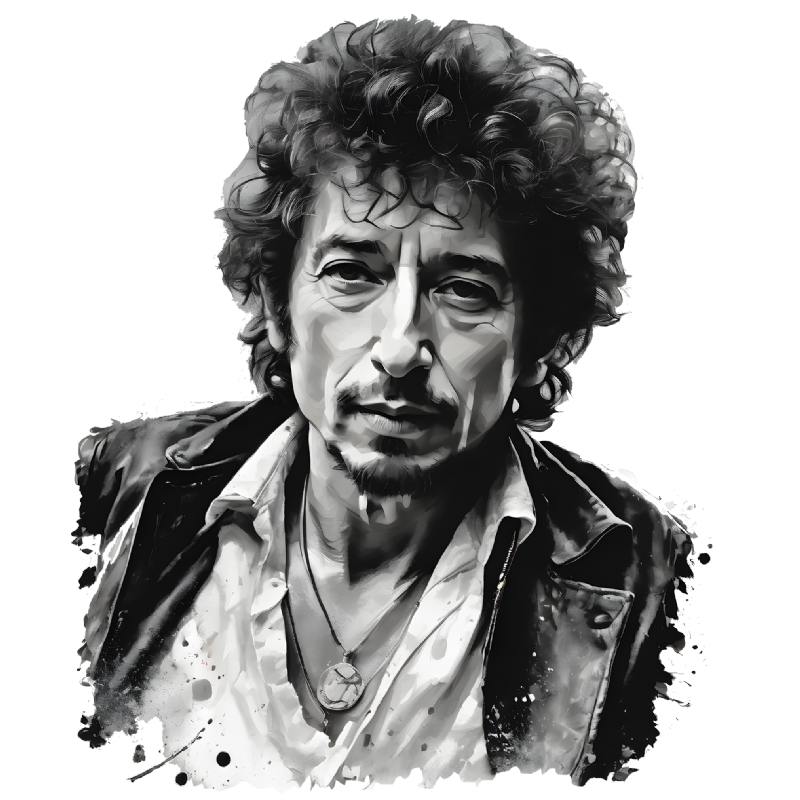
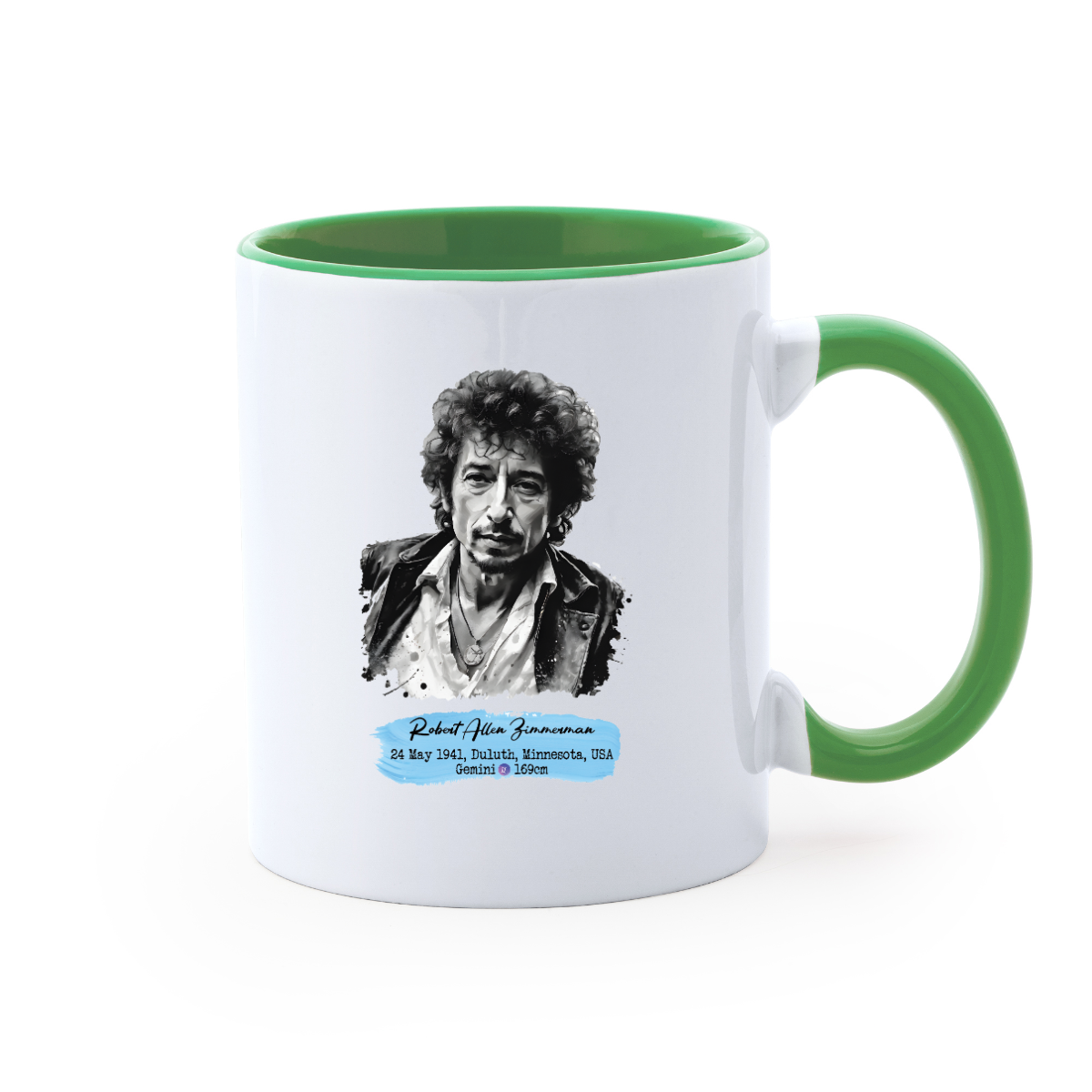
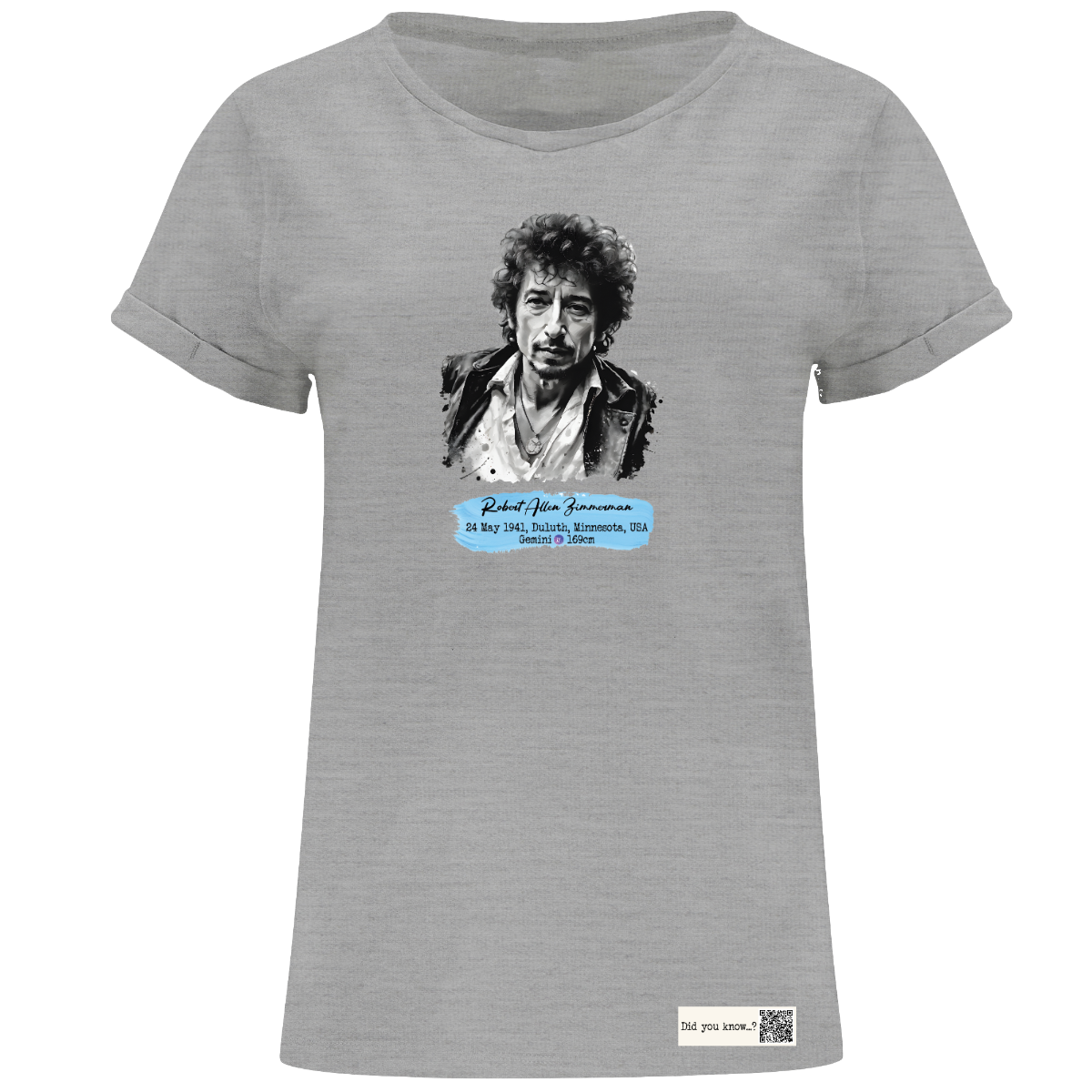
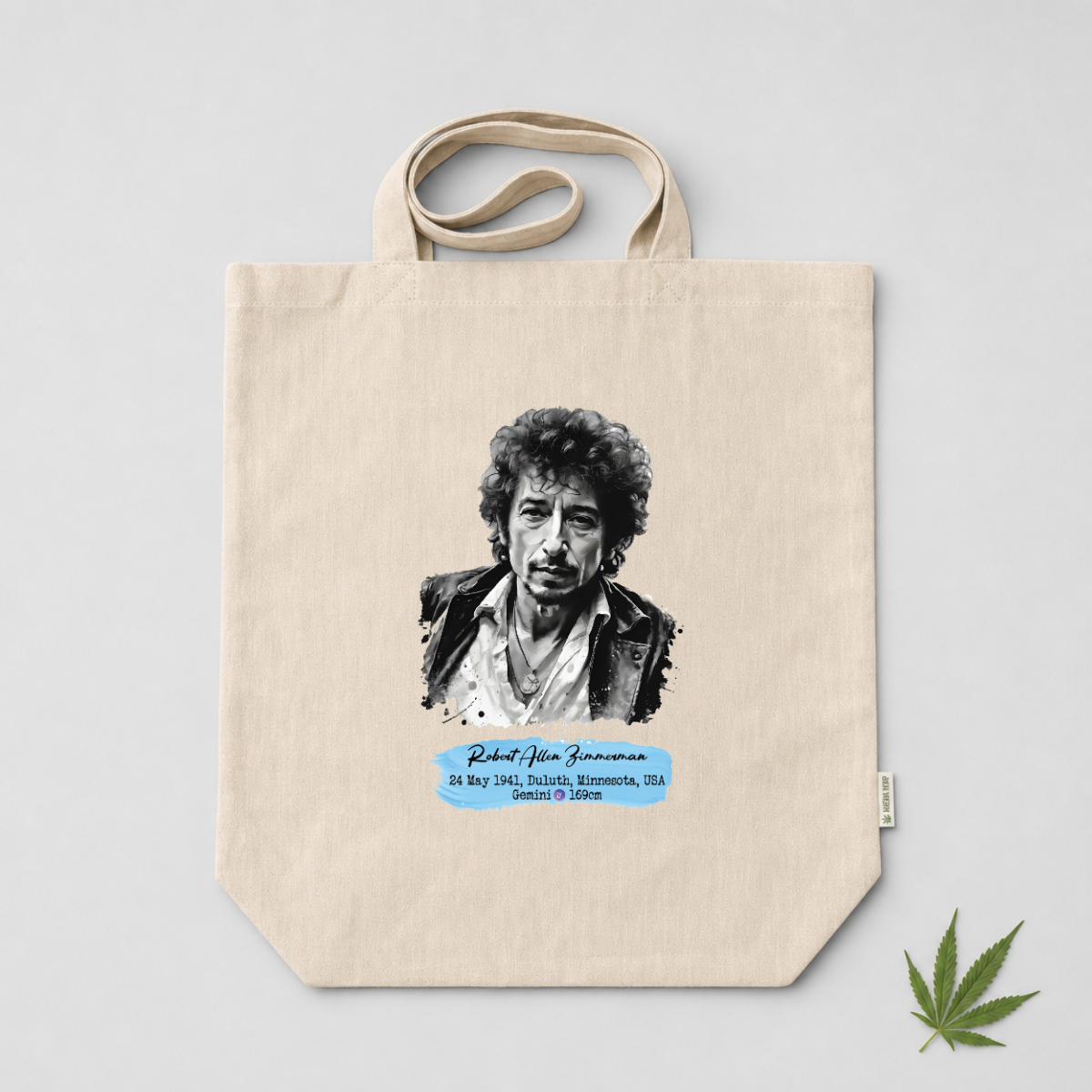
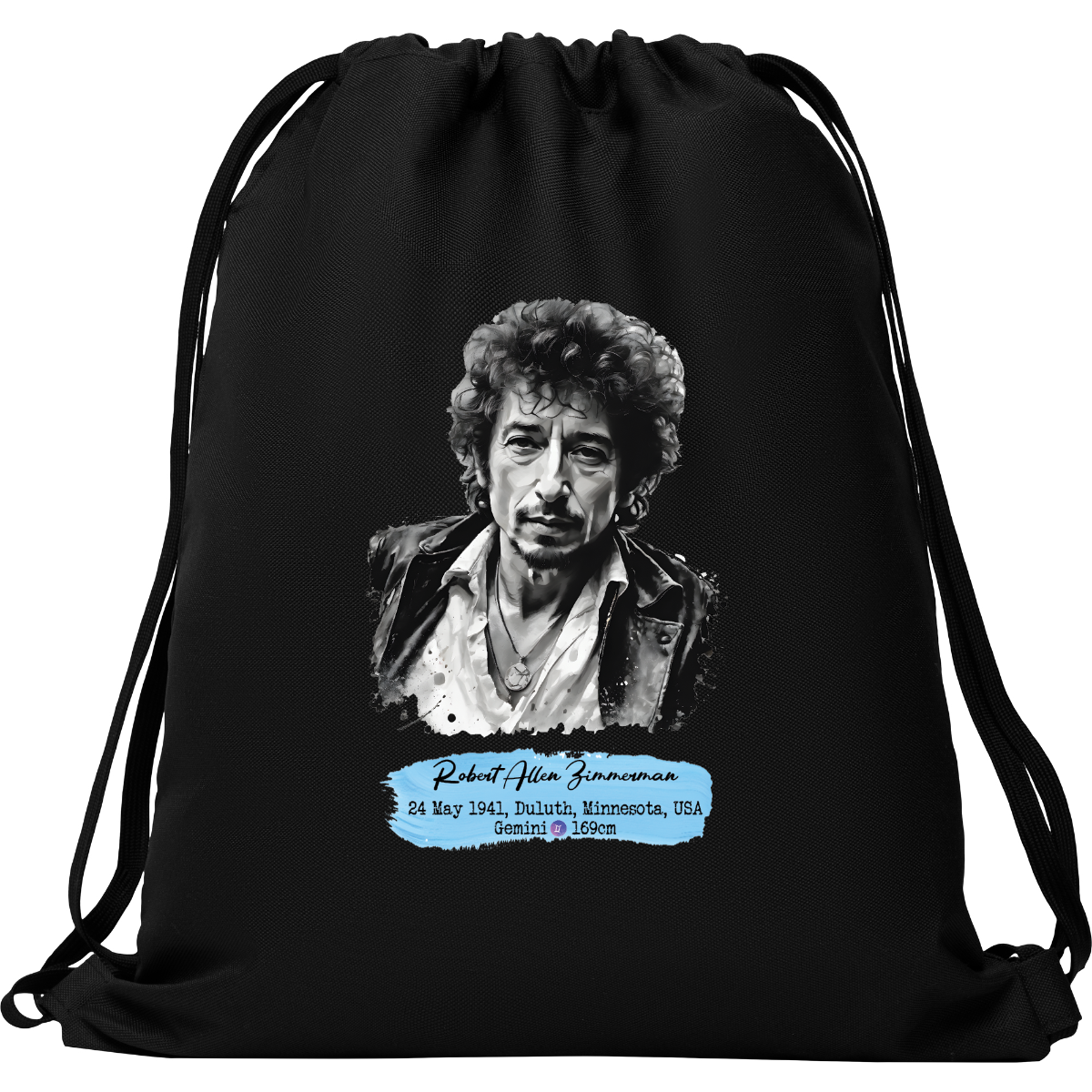
On May 24, 1941, in the cold winter of Minnesota, Robert Allen Zimmerman was born, the son of Jewish immigrants from Eastern Europe. No one could have imagined that this boy with unruly curls would revolutionize the music and poetry of the 20th century. He dropped out of college, changed his name, took a bus to New York, and began frequenting the clubs of Greenwich Village. He was looking for Woody Guthrie, but he found himself.
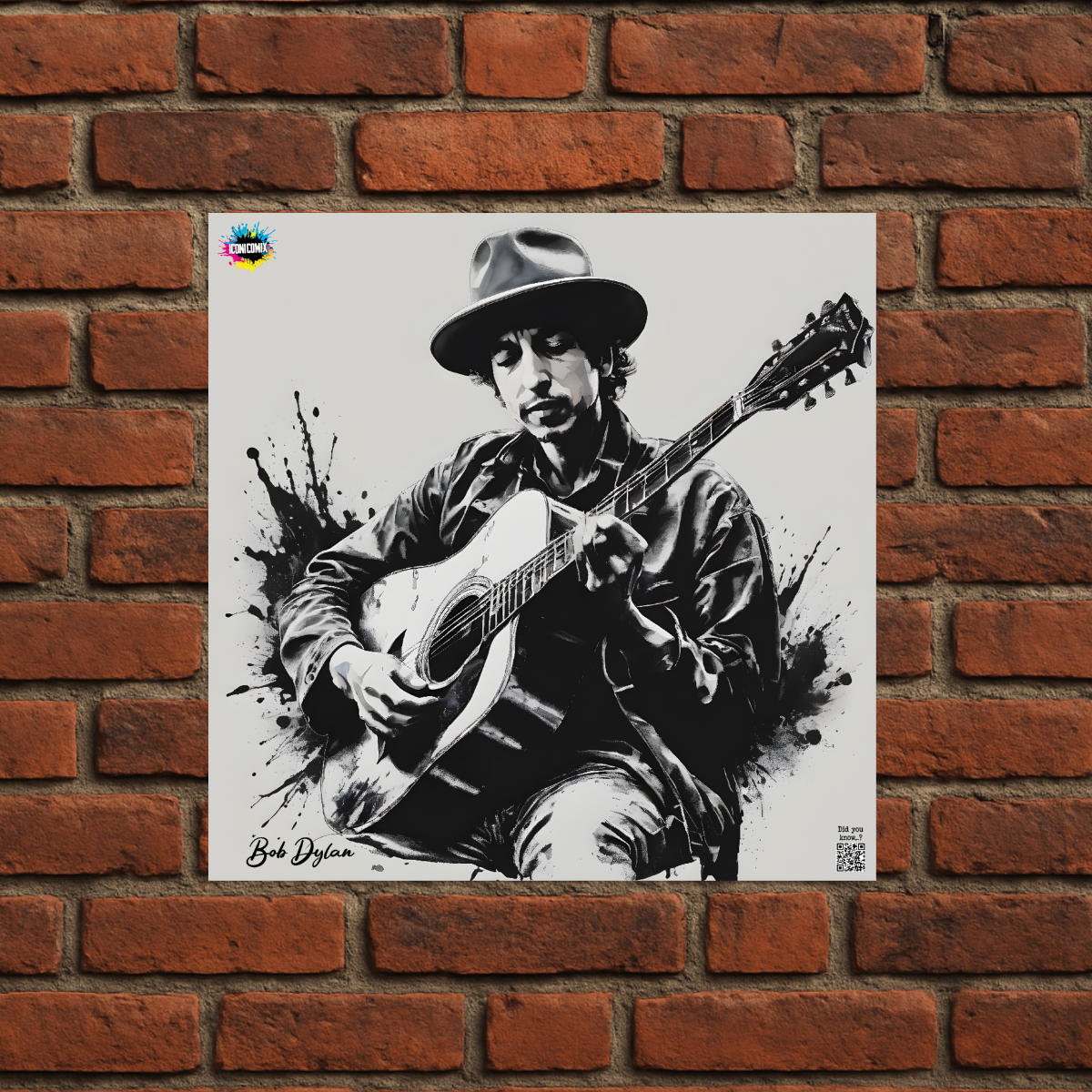
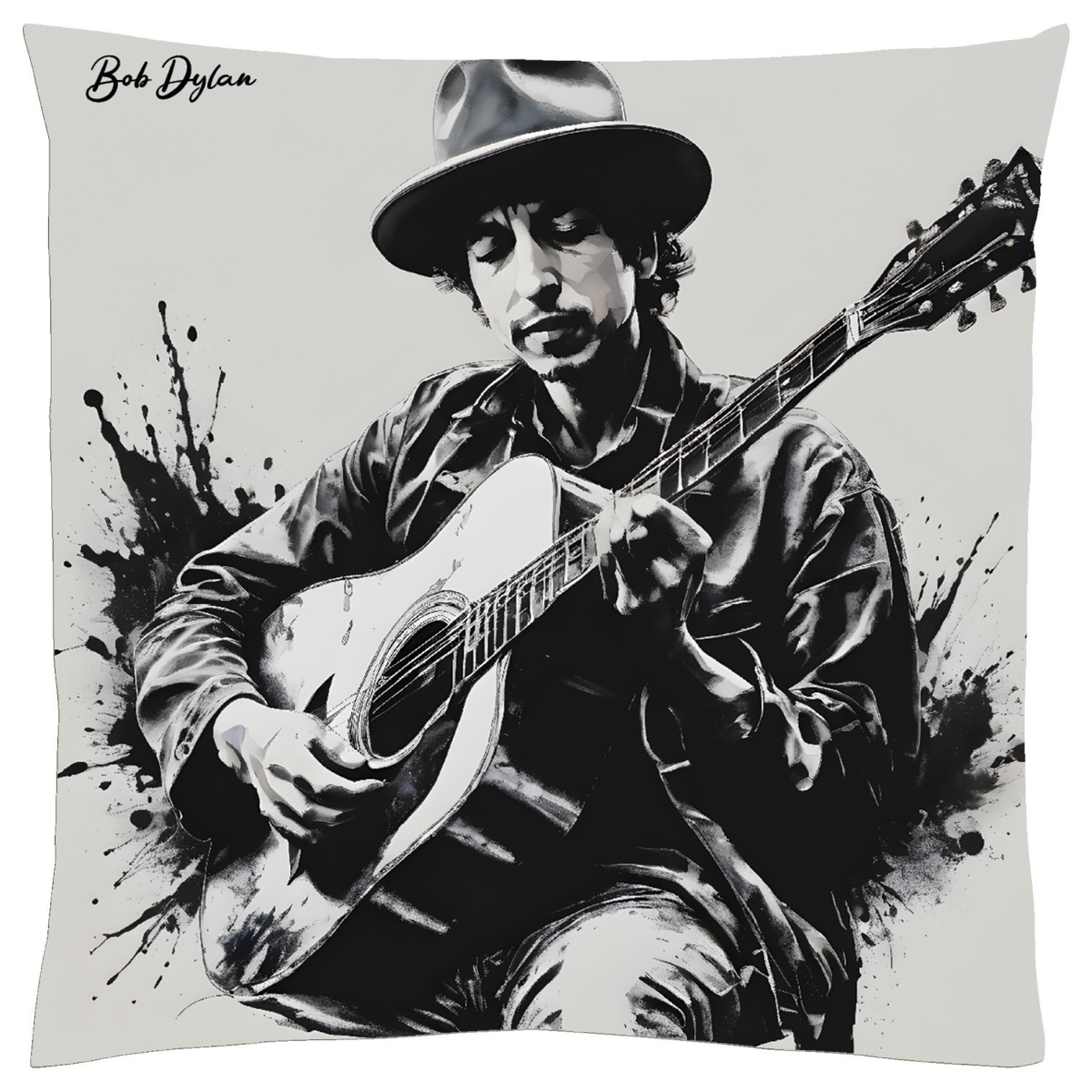
Bob Dylan quickly became the voice of a restless America, the prophet of counterculture. With a guitar, a harmonica, and a harsh voice, he wrote immortal anthems such as Blowin' in the Wind, The Times They Are A-Changin', and Like a Rolling Stone. His music was civil poetry: he spoke of rights, wars, injustices, and he did so with words as sharp as blades.
But Dylan was also a master of escape. He rejected the label of ‘voice of his generation’, took up the electric guitar amid the boos of Newport, changed his skin, his sound, his imagery. He became a rock minstrel, a solitary poet, a melancholic bluesman. In 2016, he received the Nobel Prize for Literature: a sign that song can be high art.
Bob Dylan is still on tour today, in perpetual motion. Because, as he himself sings, ‘you don't need a weatherman to know which way the wind blows’.
In 1971, Dylan was invited to write the official song for the 70th birthday of George Jackson, a Black Panther militant killed in prison. He wrote “George Jackson” in a matter of hours, recorded it with sparse accompaniment, and released it as a single: a political and personal act, ignored by American radio stations because of its content.
ICONICOMIX celebrates him
because he turned song into an intellectual and poetic weapon. He has influenced generations of artists, spoken uncomfortable truths, and elevated words to a timeless art form.
Dylan is a living bridge between folk, rock, and literature.