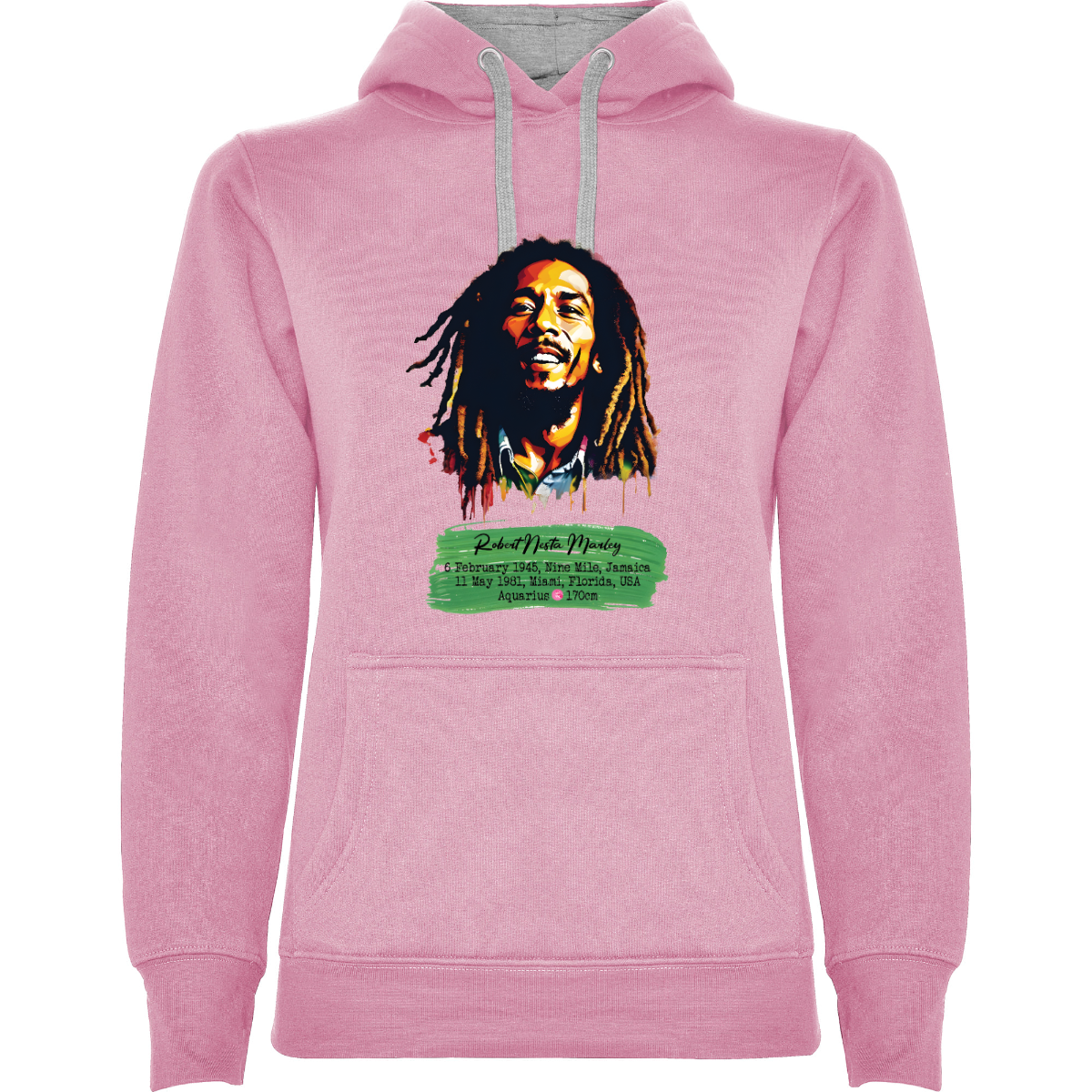
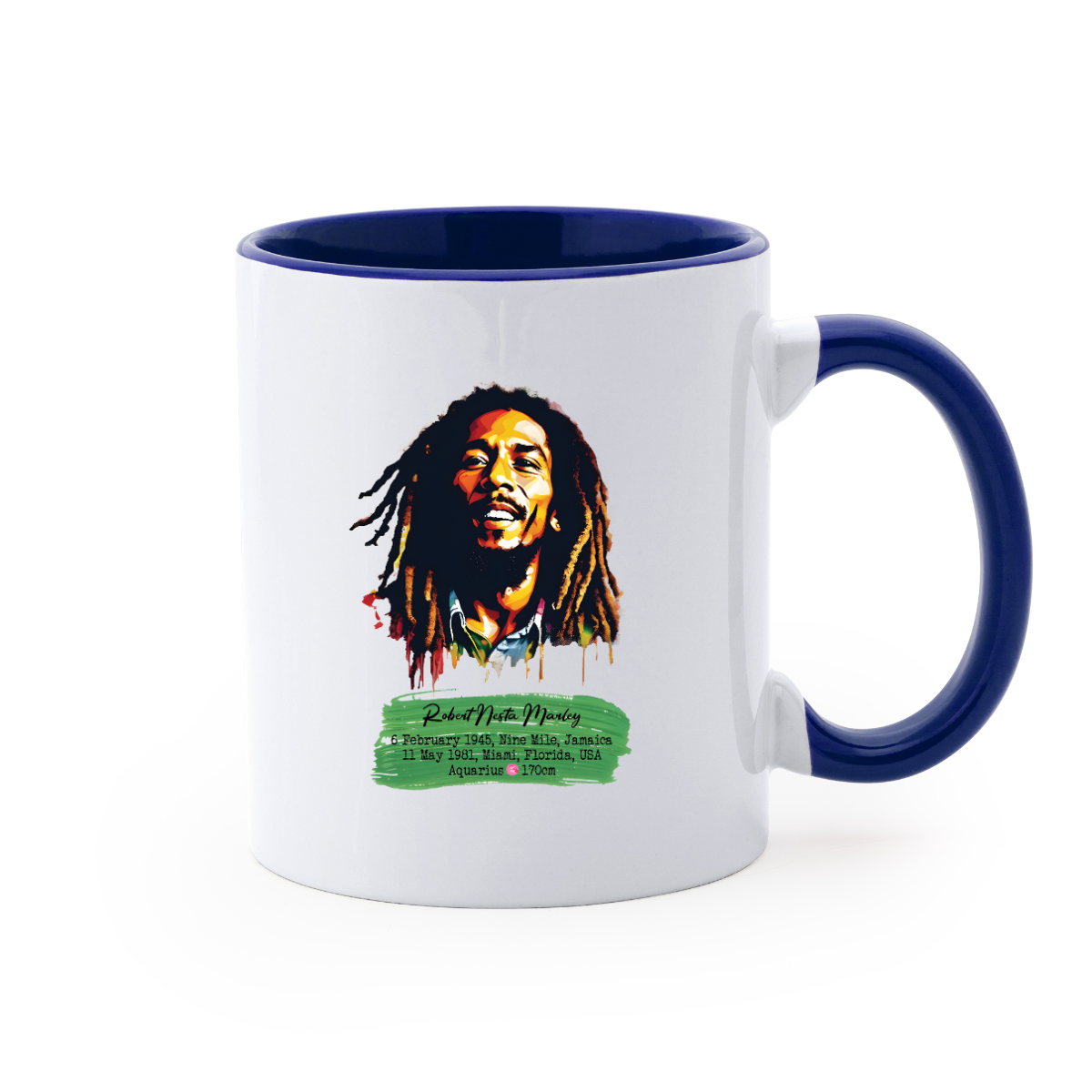
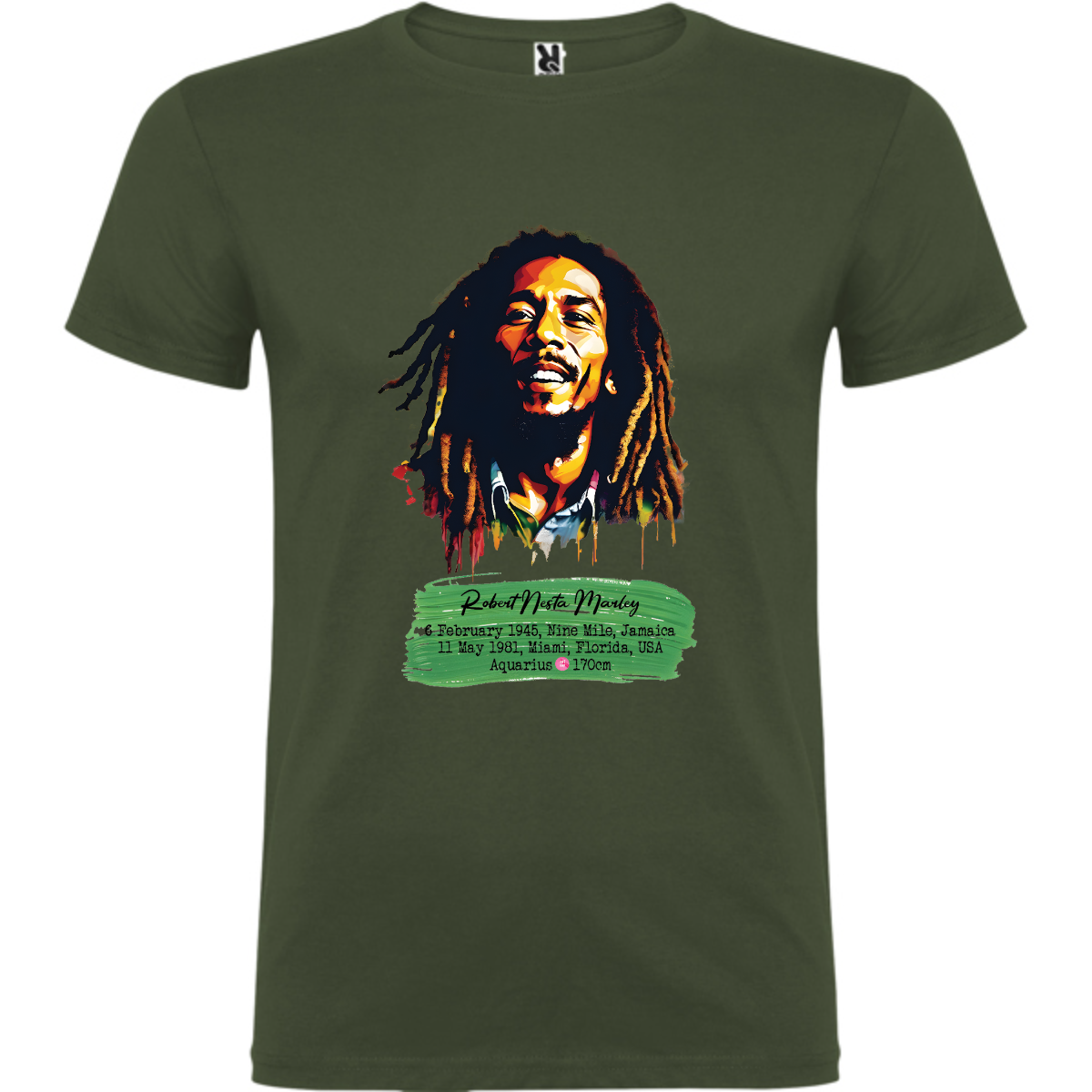
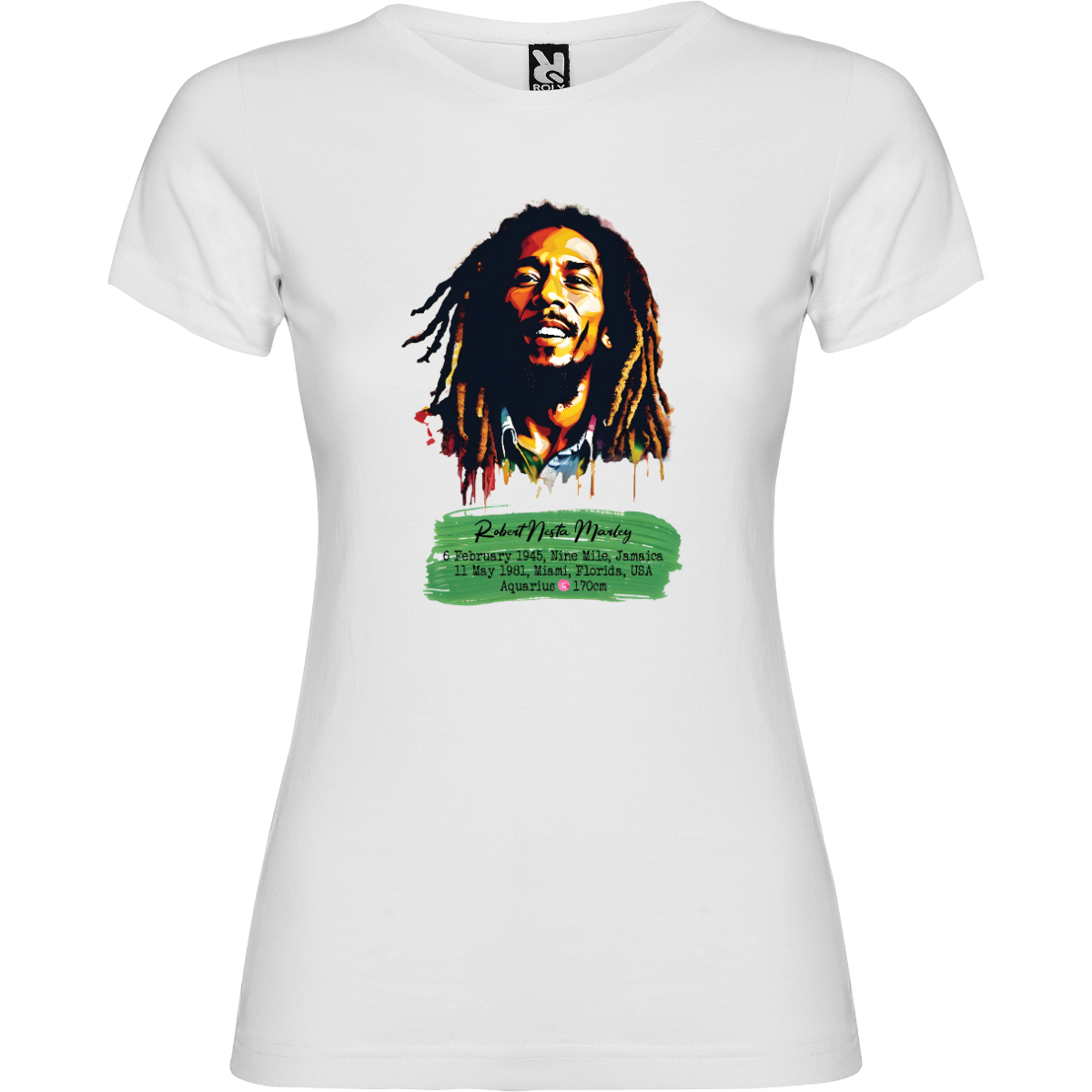
Free shipping in Italy for orders over €59. No costs, just excitement.
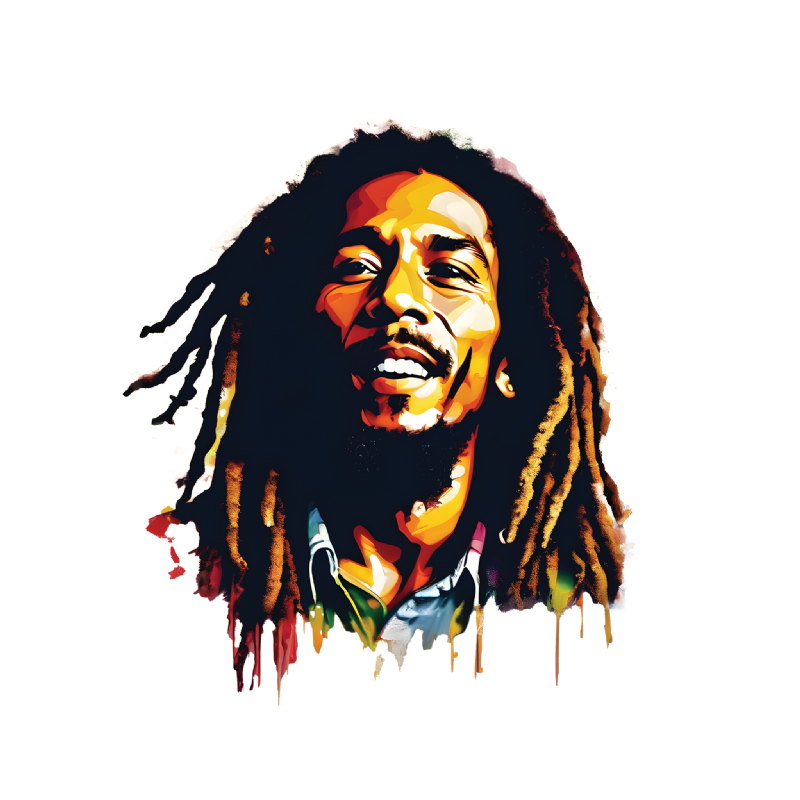
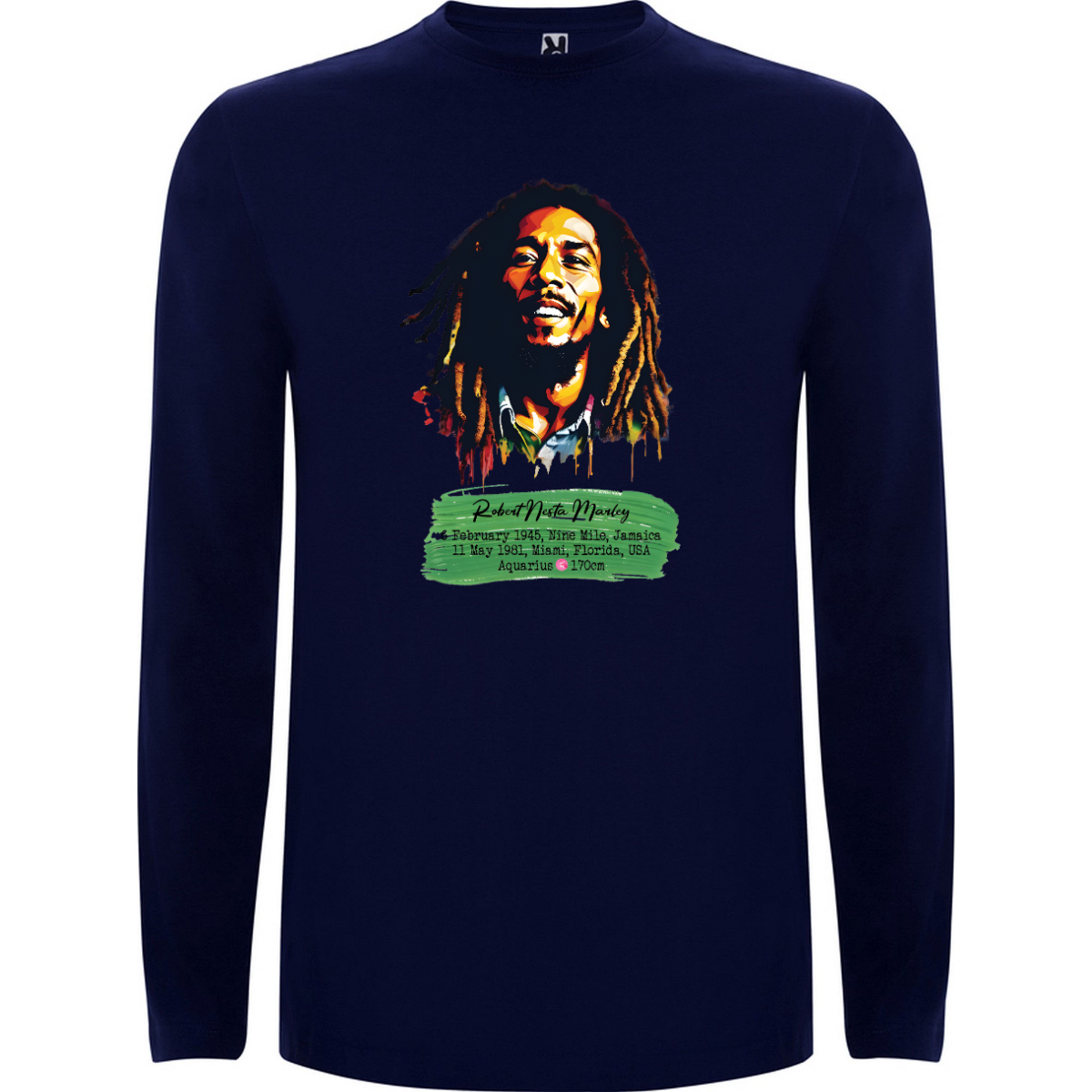
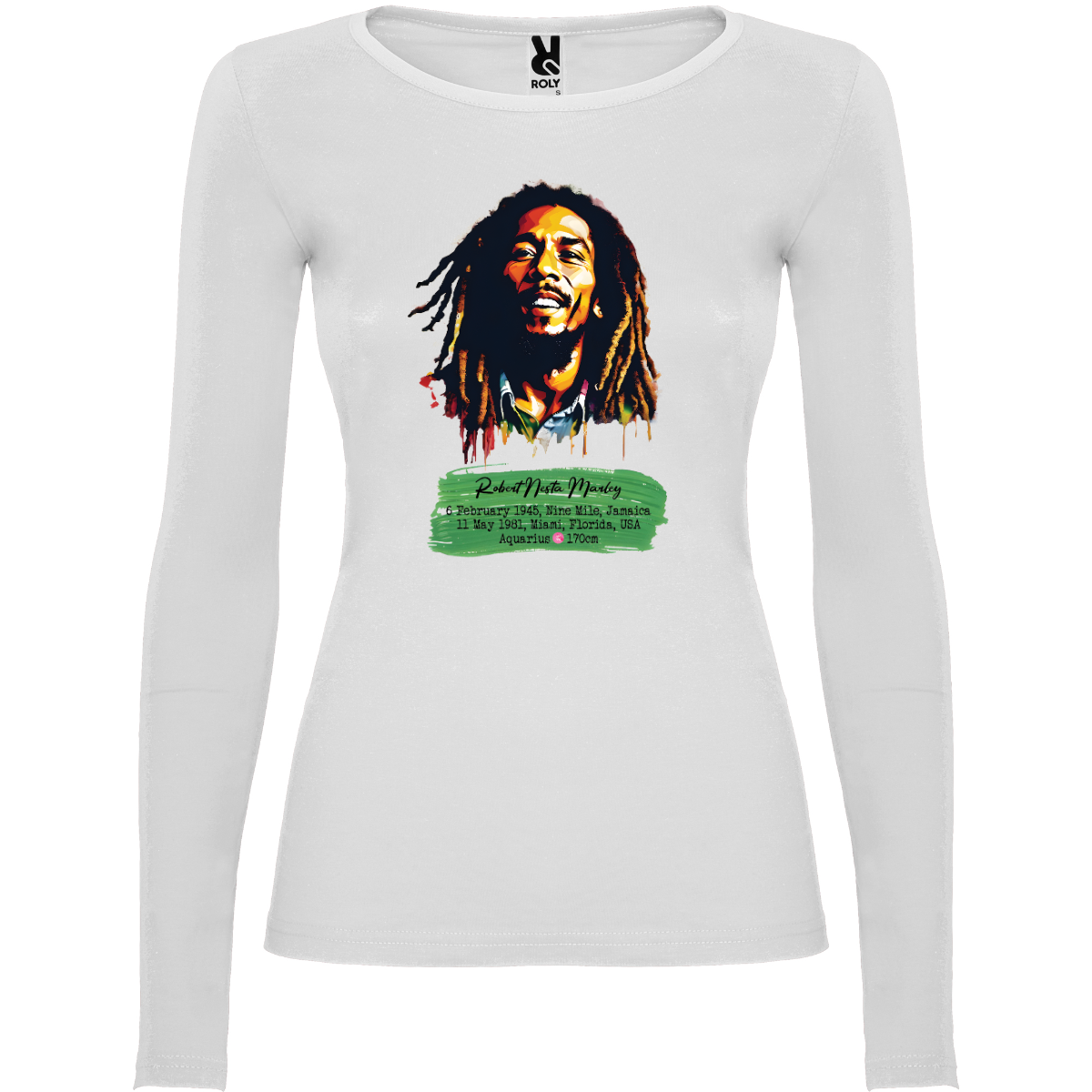
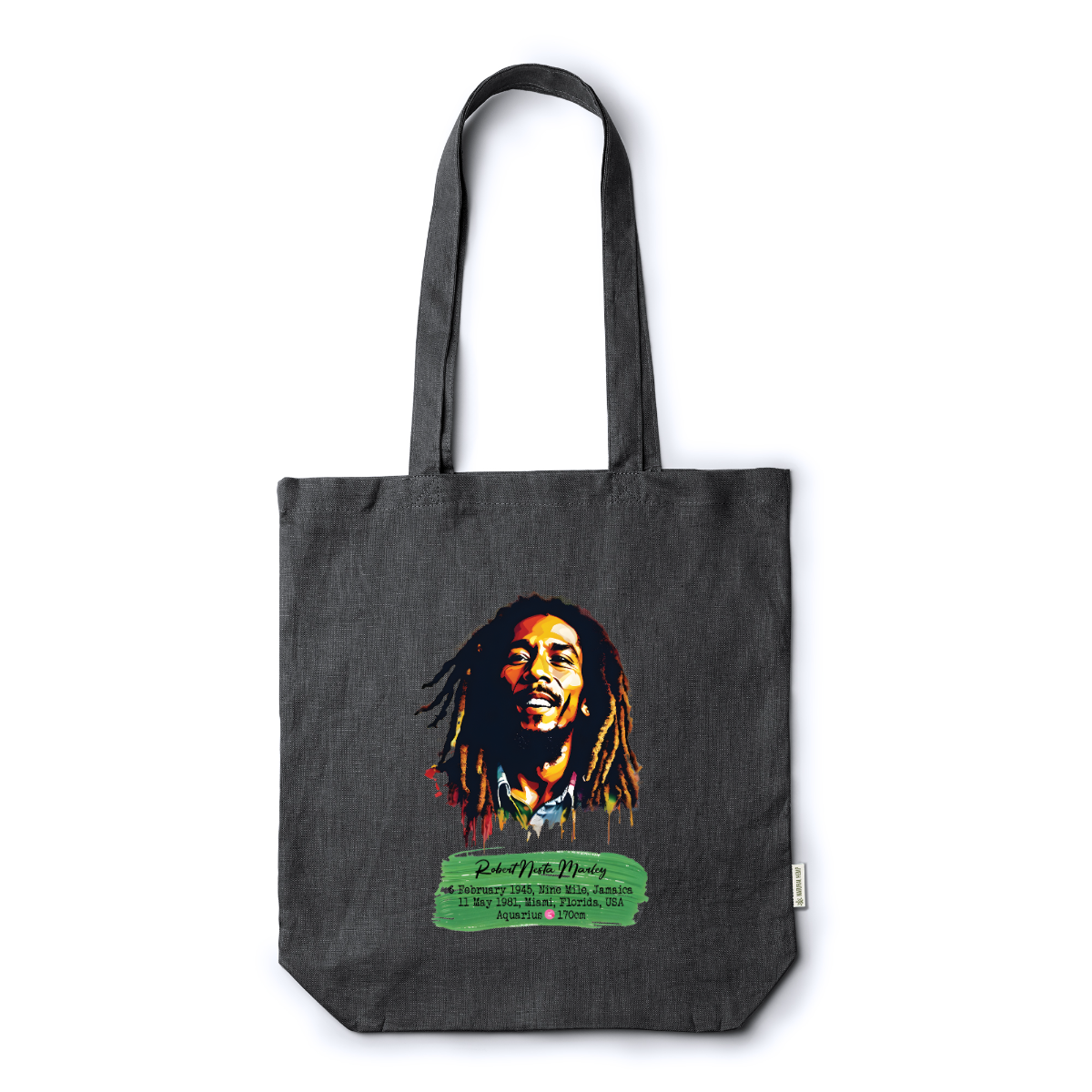
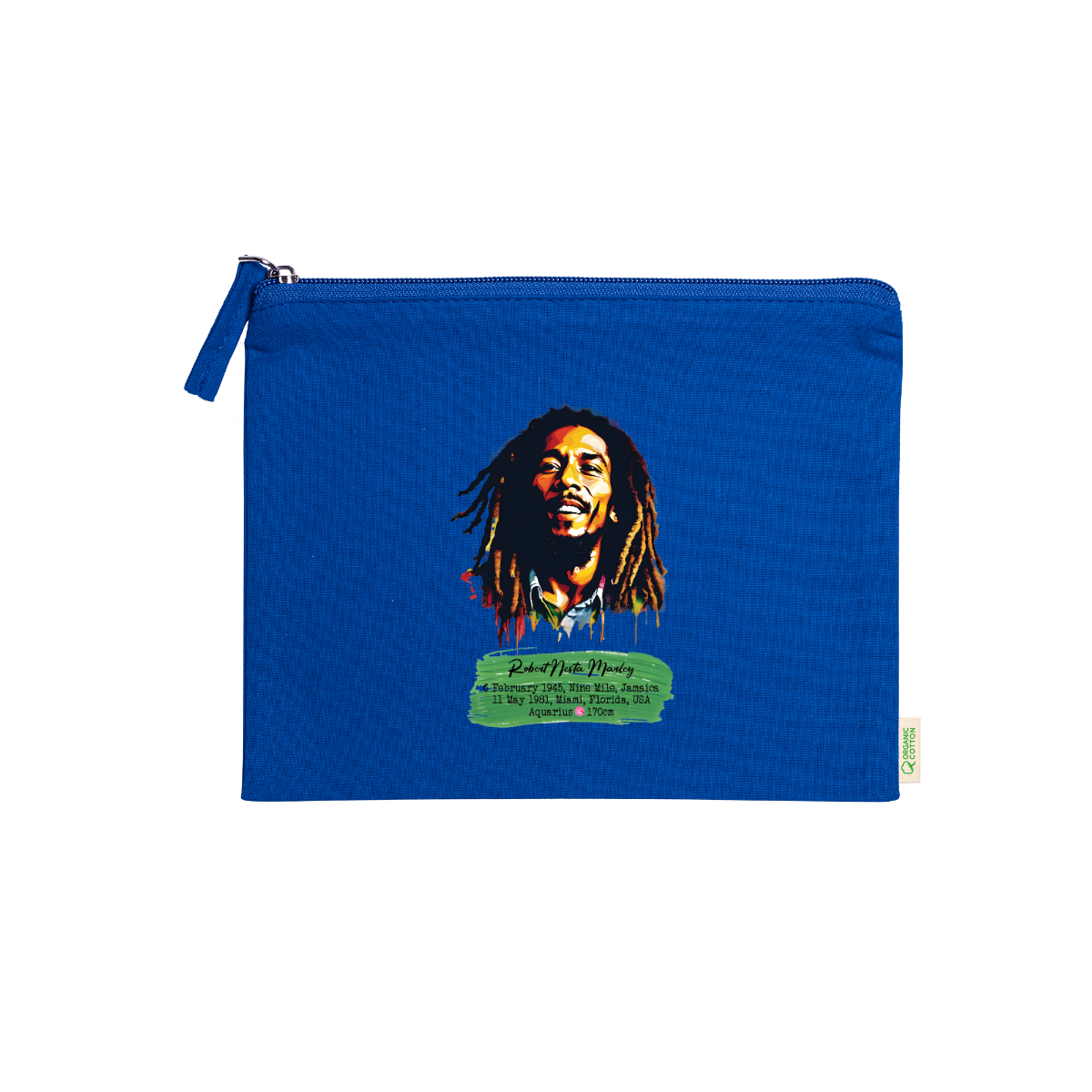
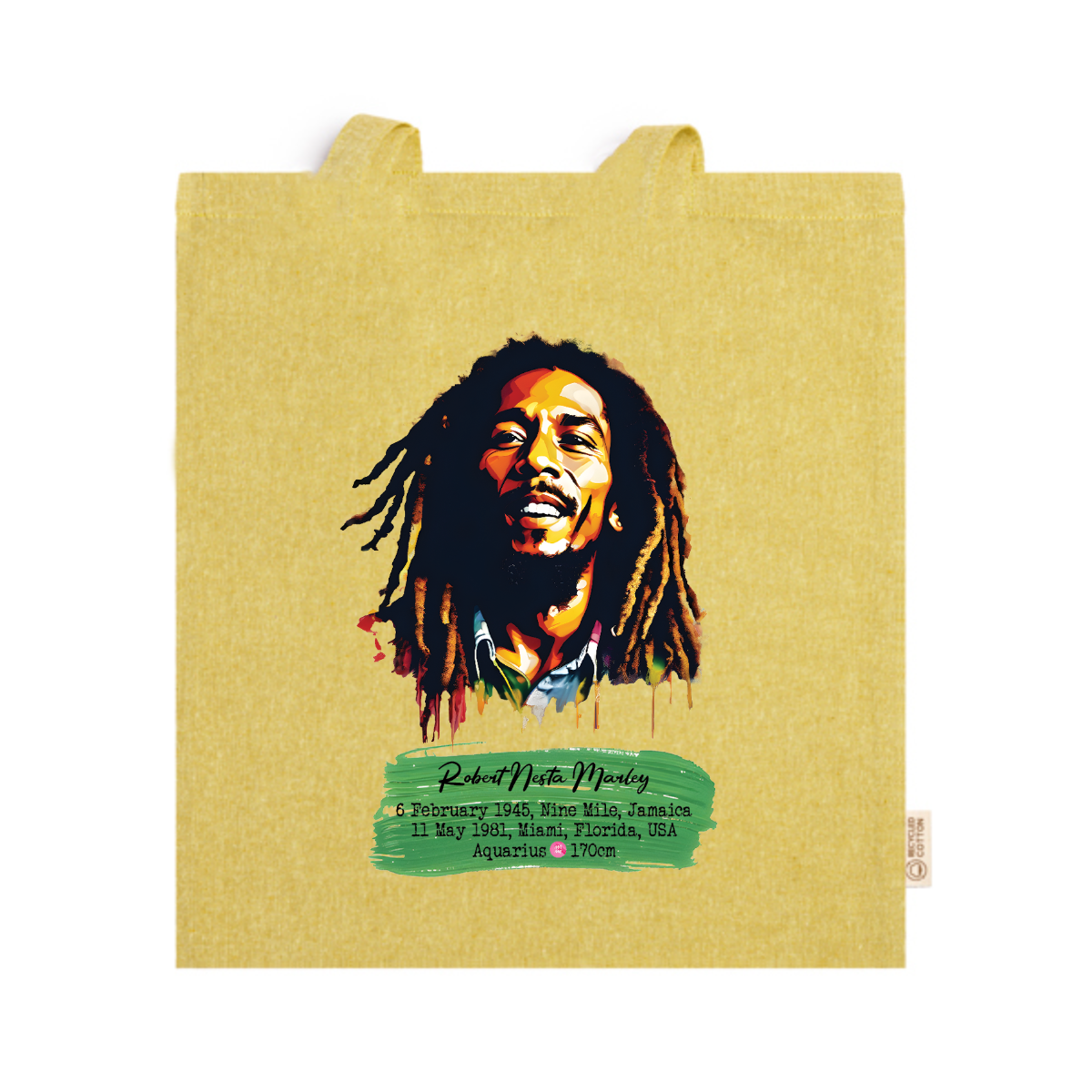
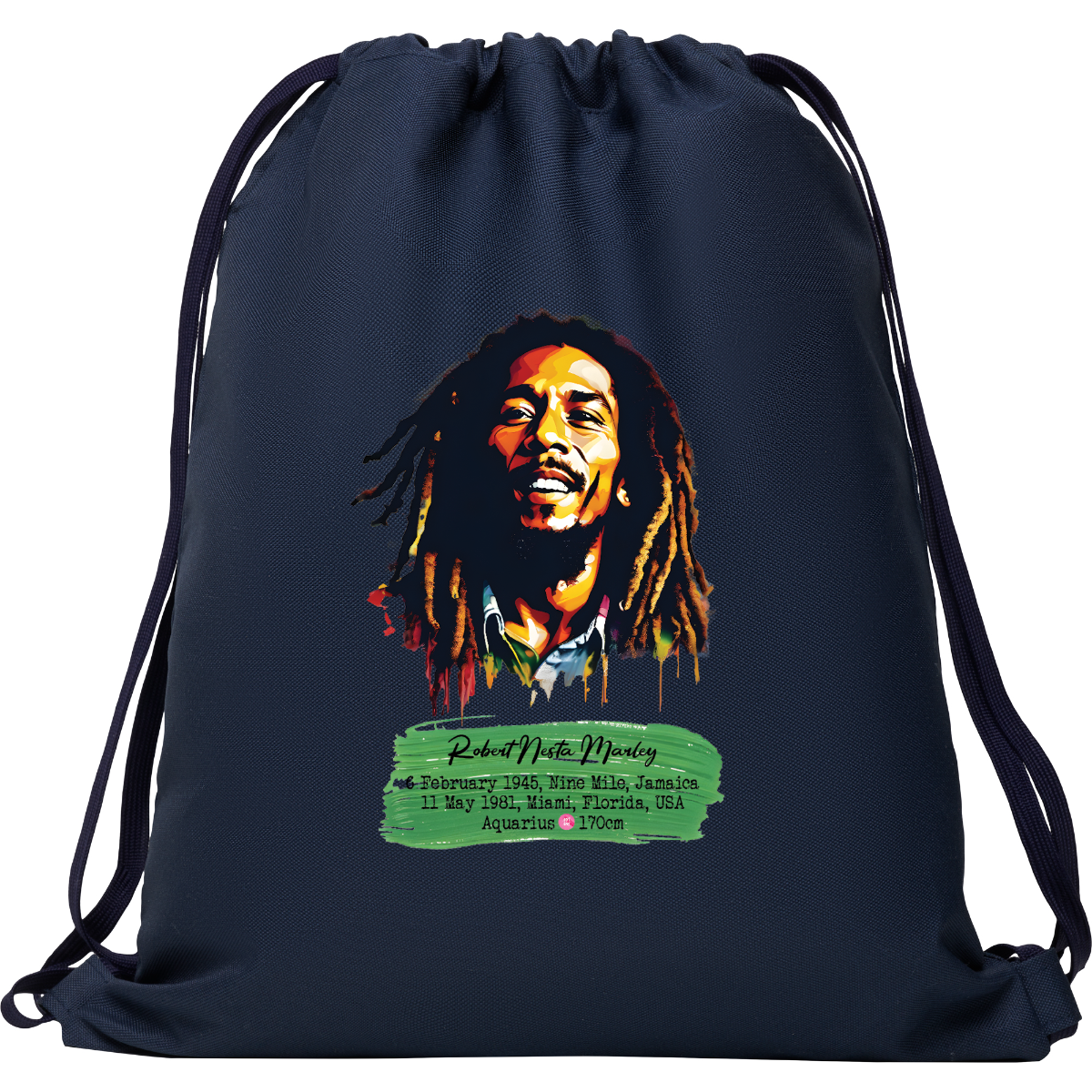
In the green heart of Jamaica, in Nine Mile, Robert Nesta Marley was born on February 6, 1945. The son of a young Jamaican girl and a British officer, Bob soon experienced the pain of rejection and the power of identity. Growing up among the hills of Saint Ann and the dusty streets of Kingston, he developed a belief: that music could heal the world.
In the 1960s, he founded the Wailers and began to blend Caribbean rhythms with a universal message of justice, peace, and freedom. But it was in the 1970s, after encountering Rastafarianism, that Marley exploded into his full power. His songs such as No Woman No Cry, Redemption Song, Get Up, Stand Up, and One Love became global anthems, capable of uniting peoples and generations.
Bob Marley was not just an artist, but a musical prophet. He spoke to the marginalized, the rebels, the lovers, the freedom fighters. Even when violence touched his life—as in 1976, when he was wounded in an attack—he responded with music and determination: he performed anyway, two days later.
He died too young, in 1981, but his spirit has never ceased to vibrate. His voice continues to whisper hope into the hearts of those who believe that a better world is possible.
In 1978, during a peace concert in Kingston, Marley managed to get Jamaica's two rival political leaders, Michael Manley and Edward Seaga, to shake hands on stage. It was a powerful symbolic gesture: the musical icon becoming a bridge between ideologies and tensions.
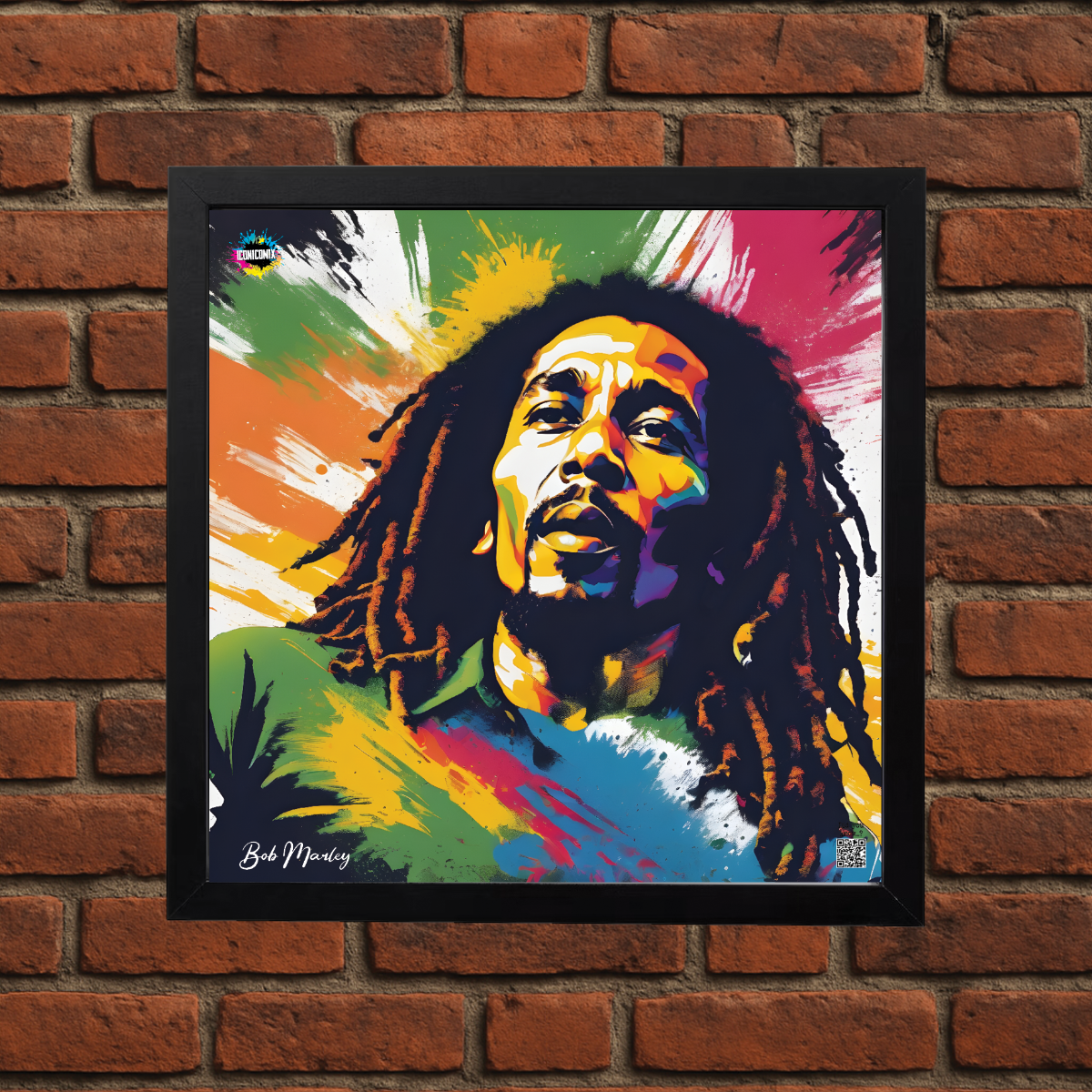
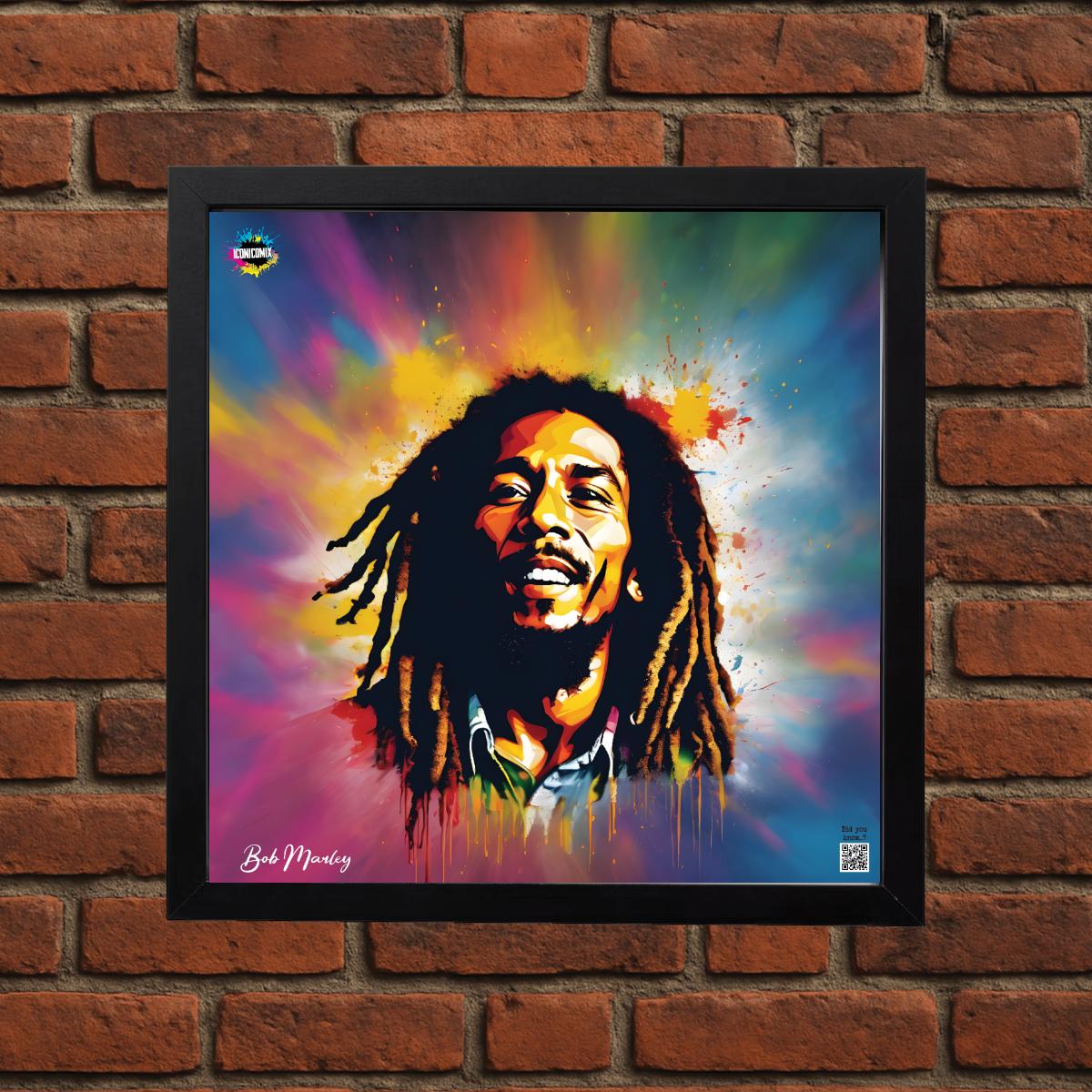
ICONICOMIX celebrates him
because he transformed reggae music into a universal language. Because he sang about freedom, peace, and spirituality, making them accessible to everyone.
Because he made his art an act of love for humanity.