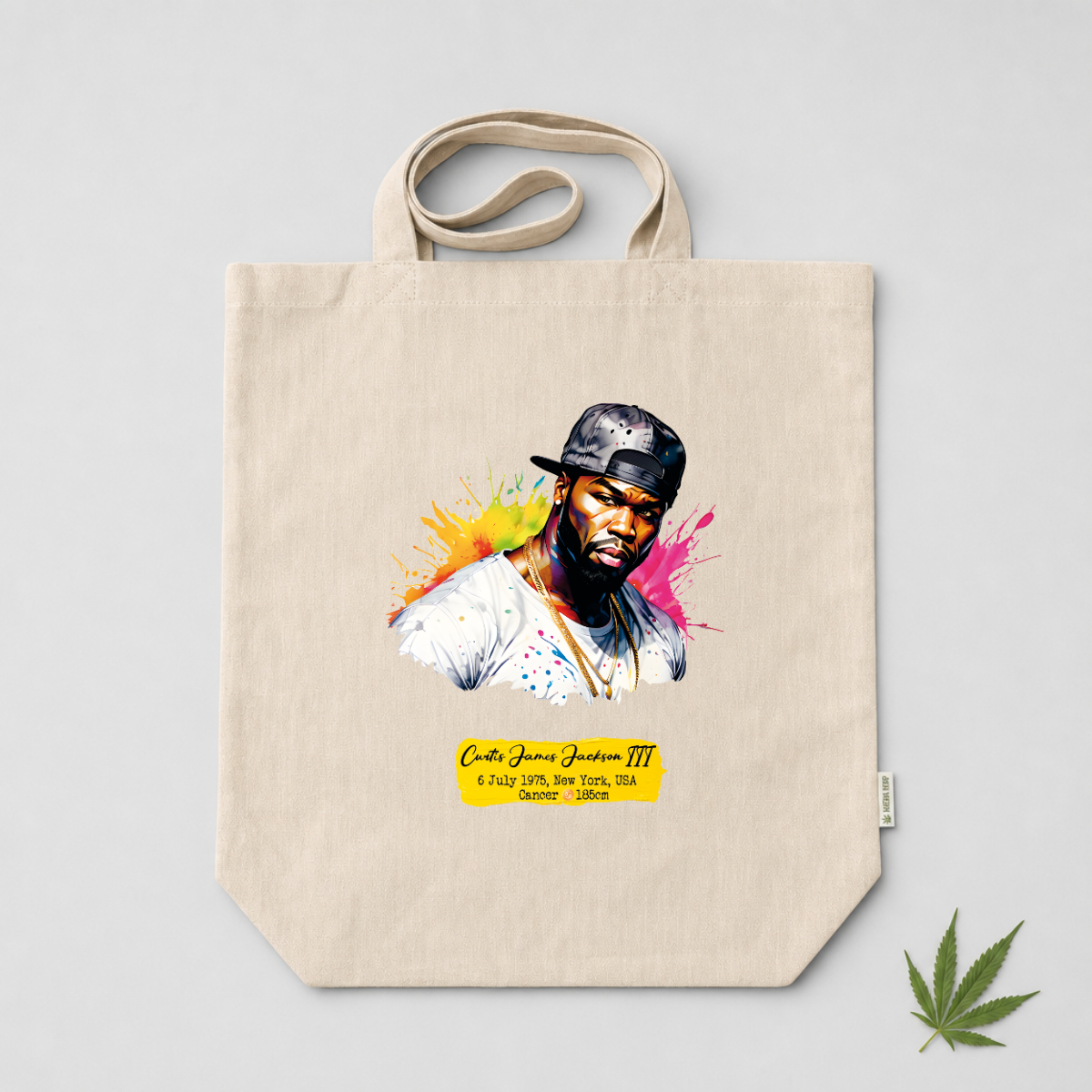
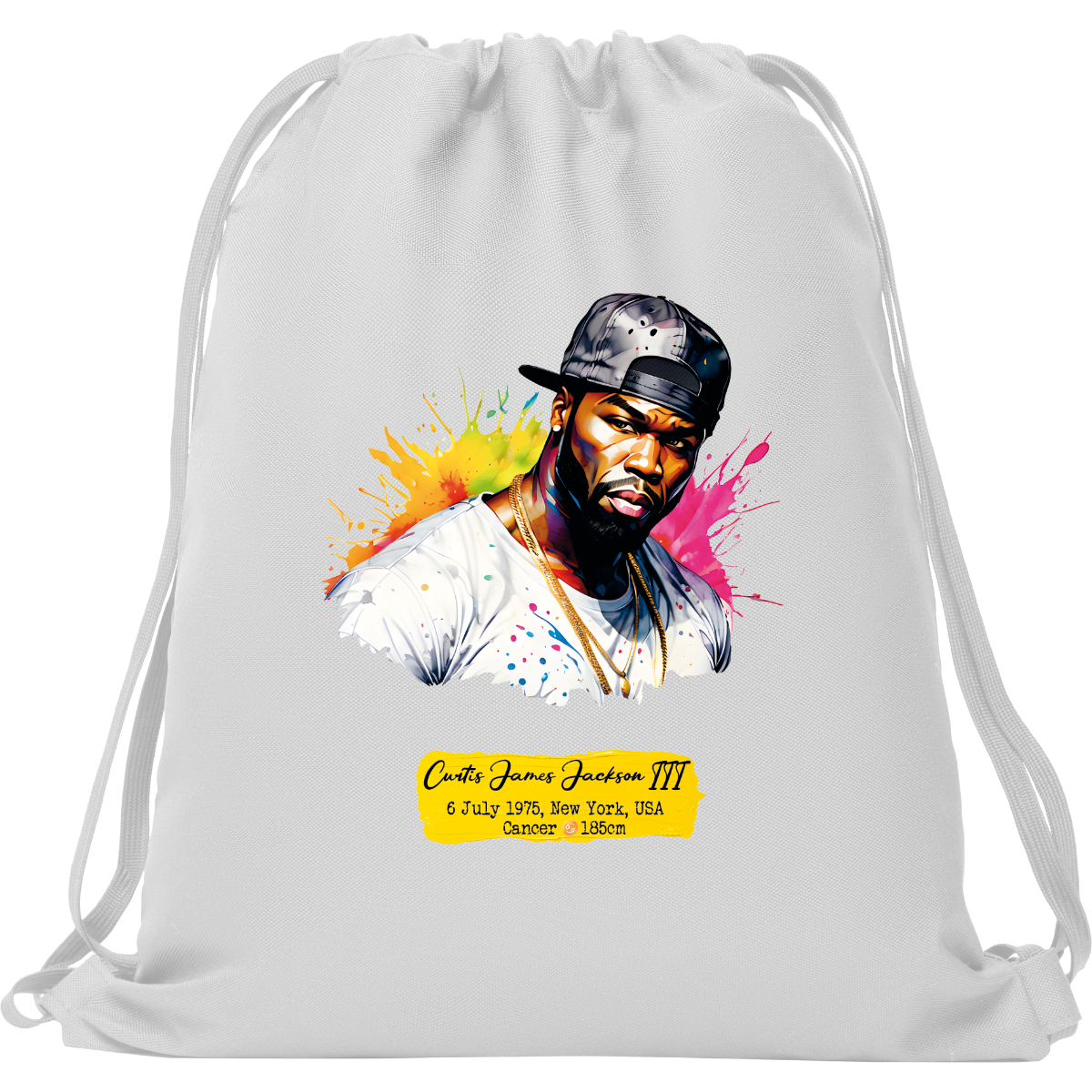
Free shipping in Italy for orders over €59. No costs, just excitement.
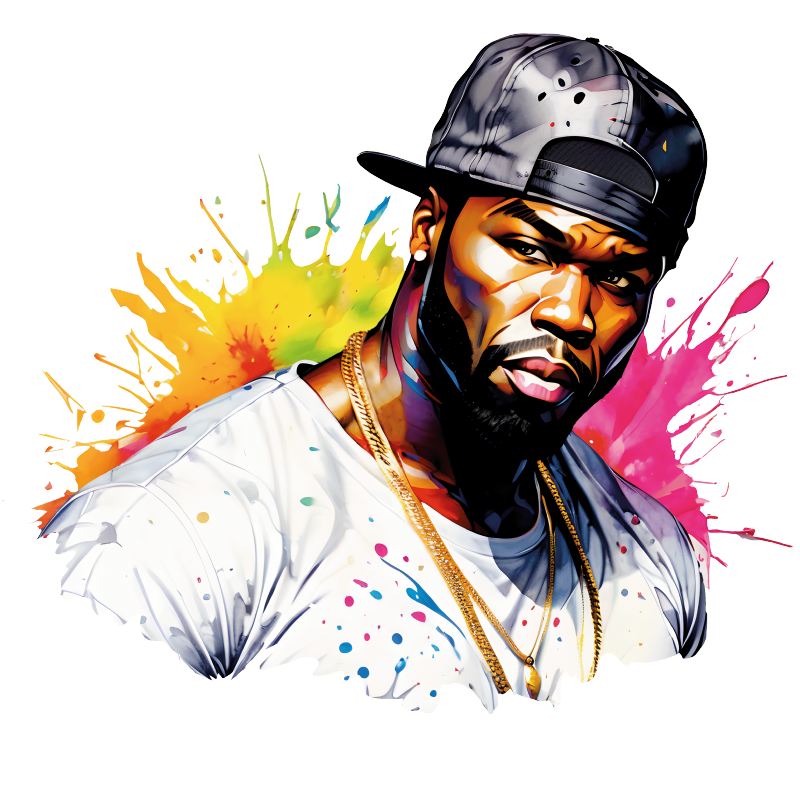
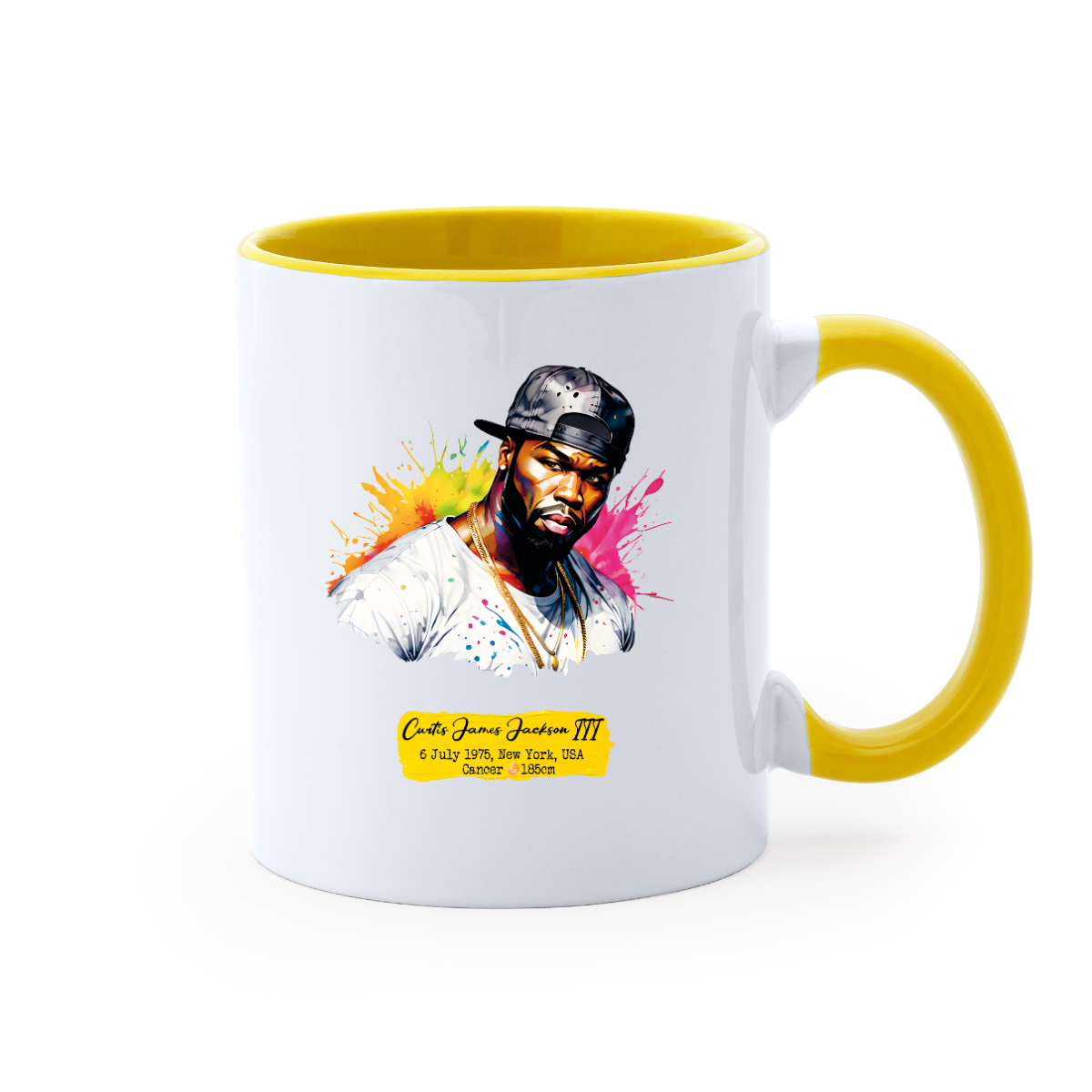
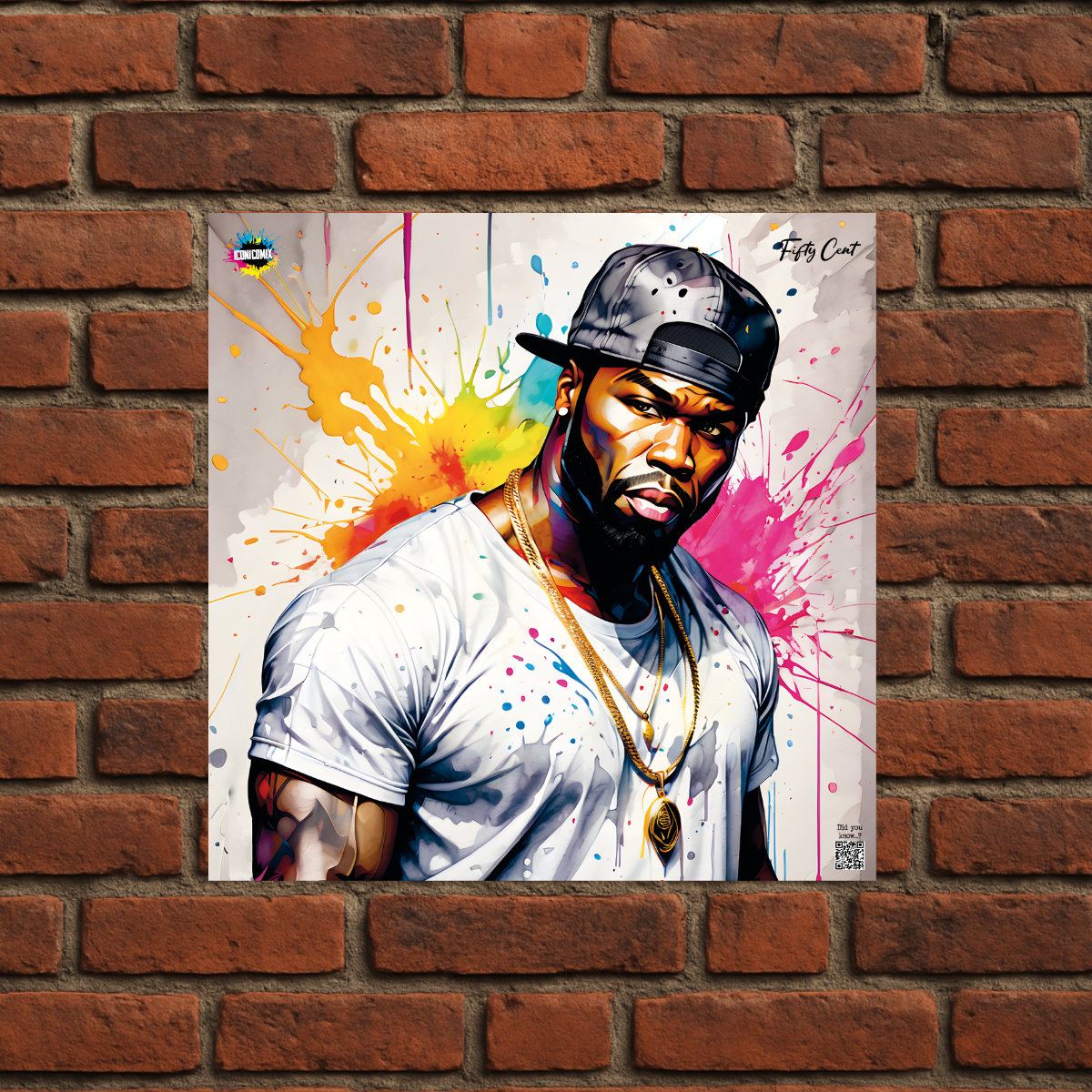
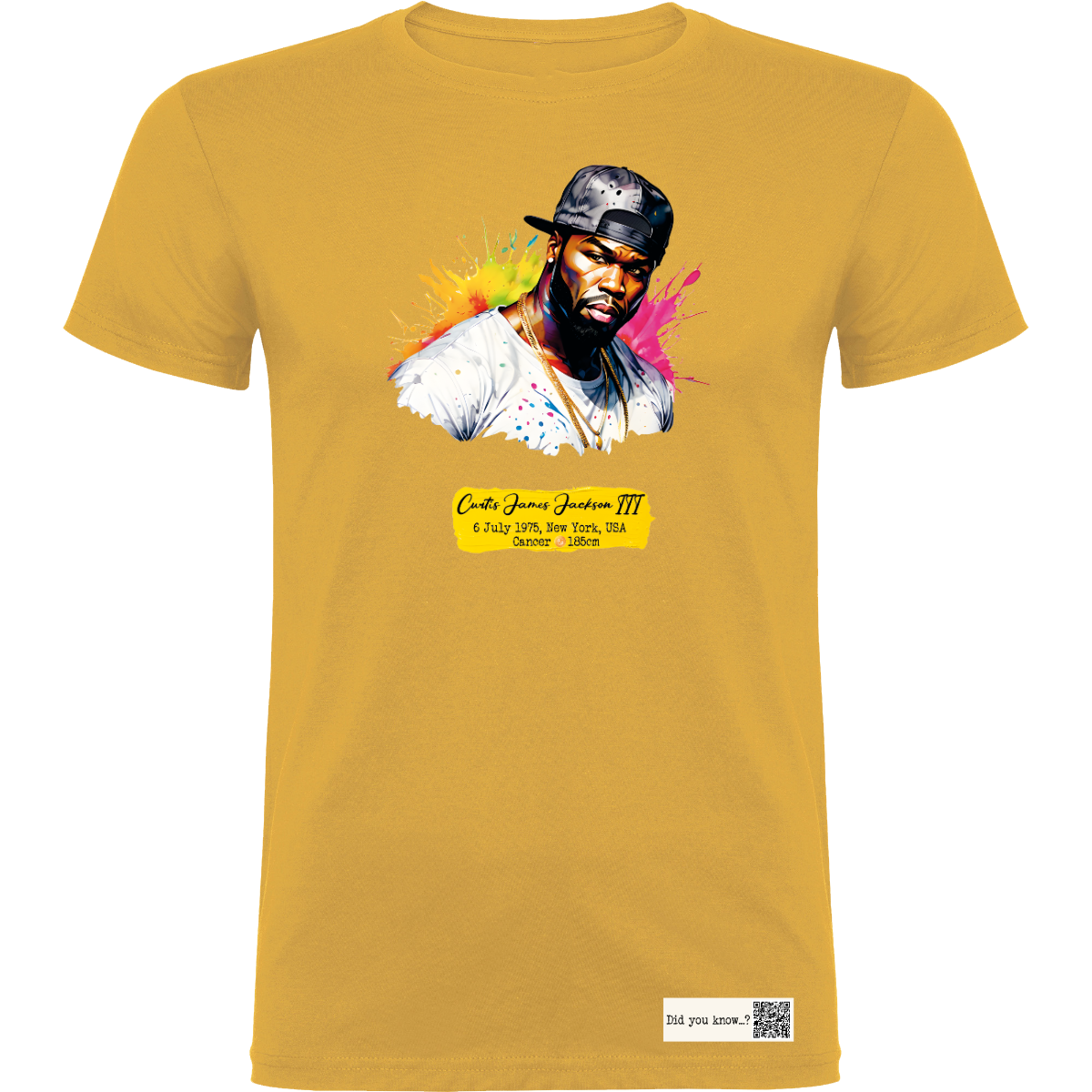
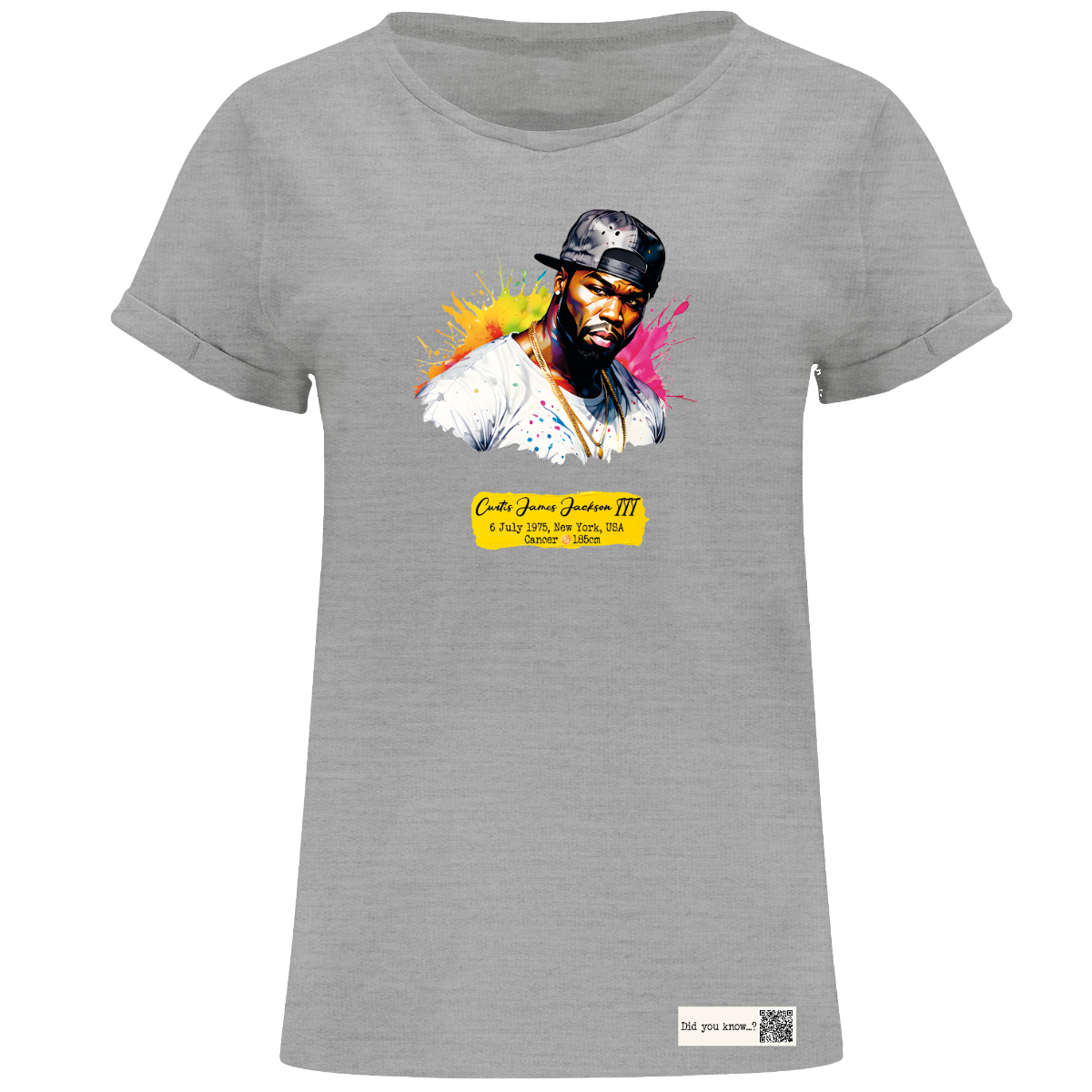
Raised in Queens, New York, Curtis James Jackson III transformed his life from a symbol of survival to a global icon of rap music. Known to the world as 50 Cent, his story is one of falls and rebirths, of difficult streets and brightly lit stages. Born in 1975, he lost his mother as a child and was raised by his grandparents in a neighborhood marked by violence and marginalization. At the age of 12, he began hanging out on the streets, but music was the invisible thread that led him to an unexpected future.
Legend has it that in 2000 he survived an ambush with nine gunshots. Instead of stopping, that experience made him even more determined to tell his own truth. His rough and authentic voice won over Dr. Dre and Eminem, who launched him onto the world stage. With the album Get Rich or Die Tryin' (2003), 50 Cent became the embodiment of the American dream, capable of transforming pain into art, anger into rhythm, and personal experience into a cultural phenomenon.
His music is not just entertainment, but a manifesto of resistance and redemption. Songs like In Da Club and Many Men have made millions of people dance and reflect, becoming generational anthems. But 50 Cent did not stop at music: he reinvented himself as an entrepreneur, actor, and television producer, transforming himself into a living brand, synonymous with resilience and success.
Today, looking back, his story shows that no obstacle is insurmountable when talent meets determination. 50 Cent remains a symbol of global hip-hop: a man who has turned his scars into his most powerful emblem.
When 50 Cent released Get Rich or Die Tryin', he said he wore a bulletproof vest on stage, not only for protection but as a symbol of his survival. Over time, that vest has become an icon of his style and his past, so much so that fans consider it an integral part of his image.
ICONICOMIX celebrates him
because it embodies resilience and transformation. He survived what could have destroyed him and turned his wounds into art, his story into an inspiration for millions of people.
His figure goes beyond music, he represents hip-hop as a culture, the ability to reinvent oneself, and the strength of those who refuse to be defined solely by their past.