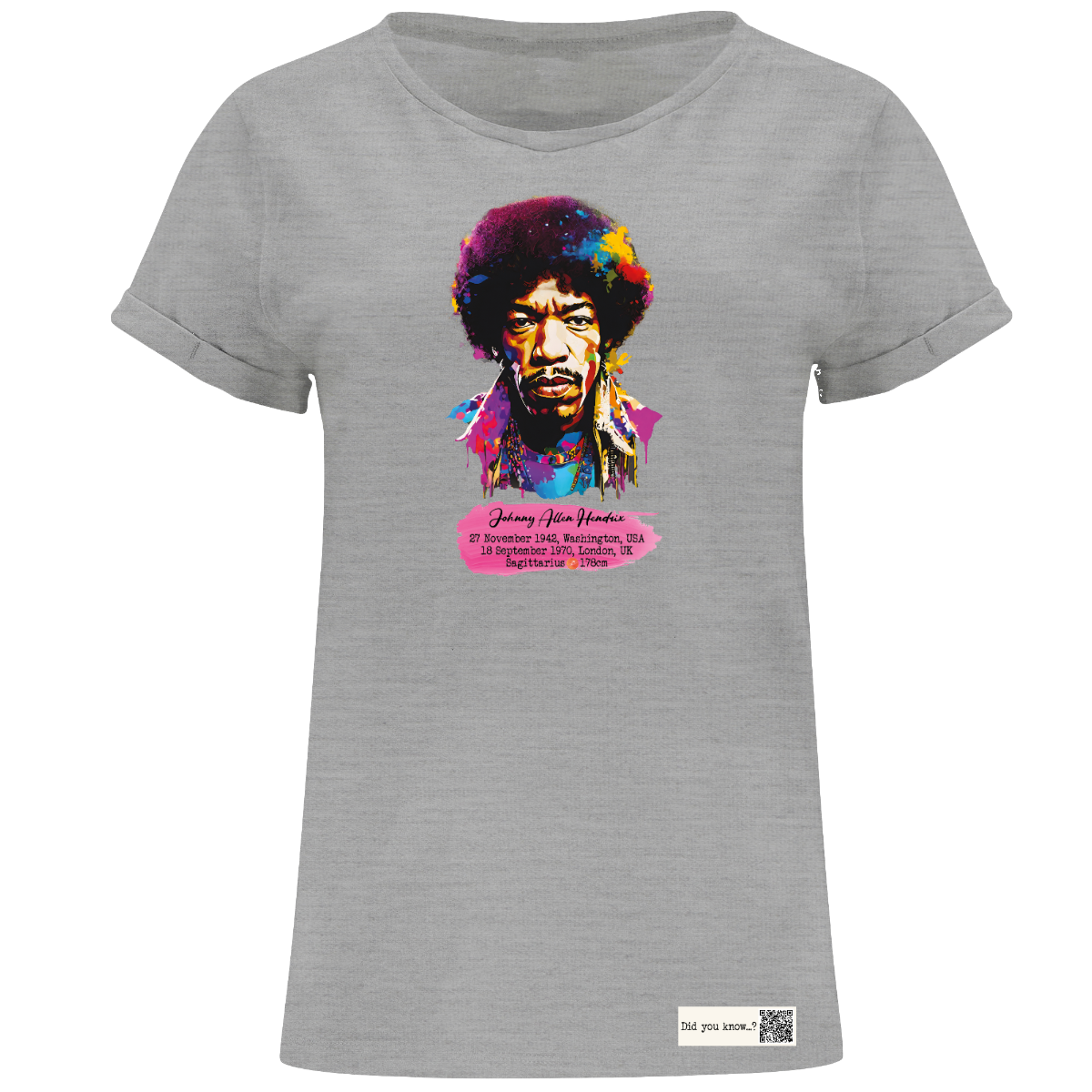
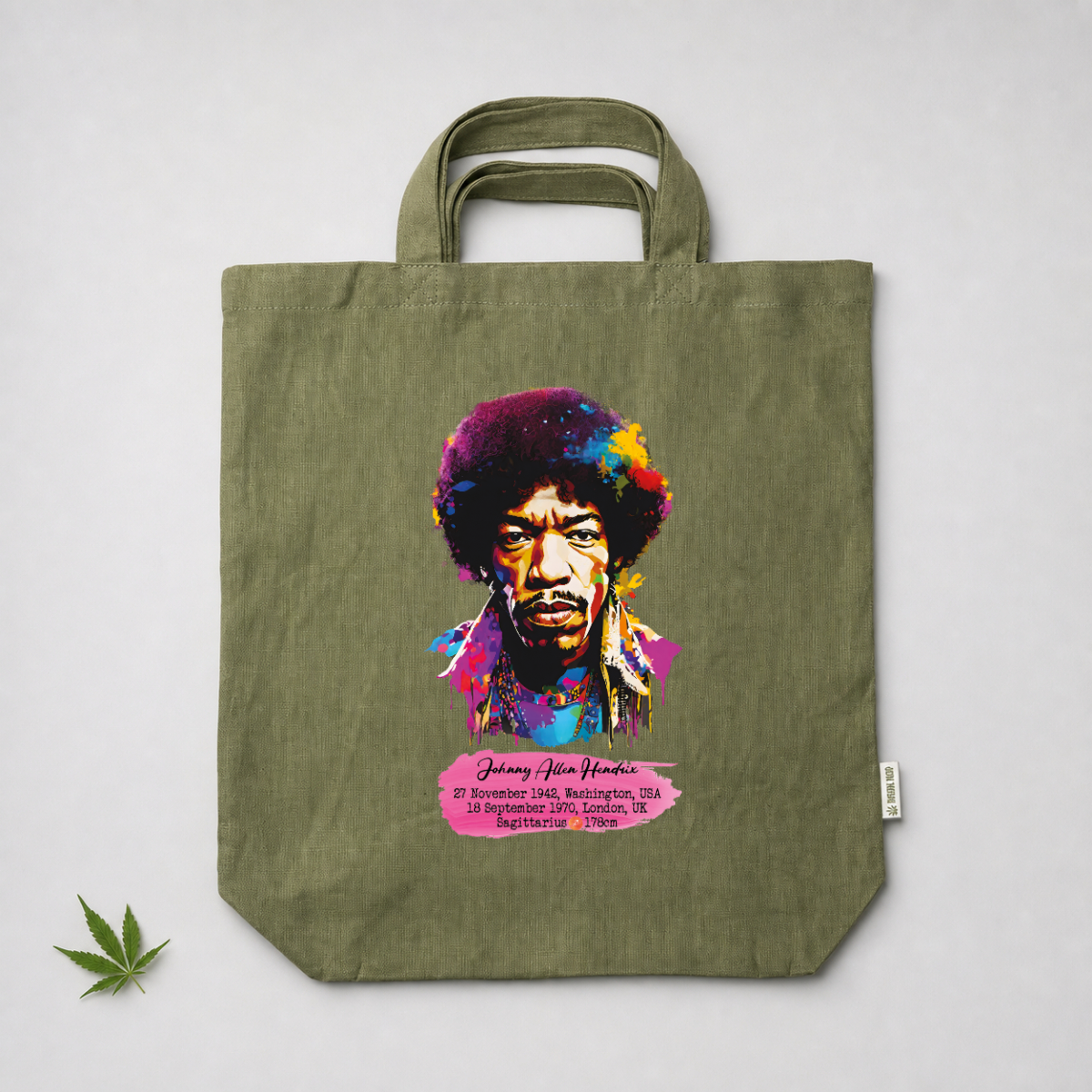
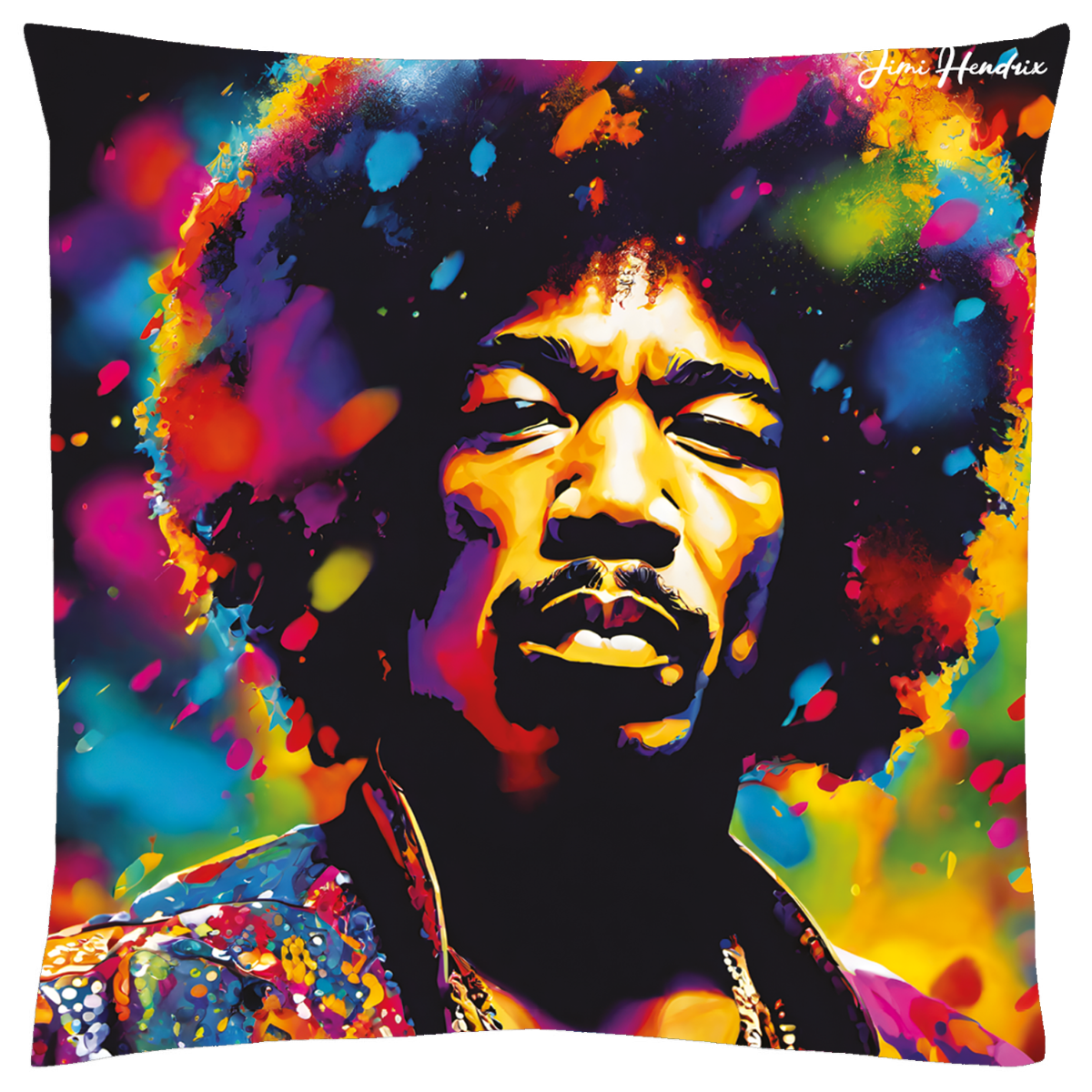
Free shipping in Italy for orders over €59. No costs, just excitement.
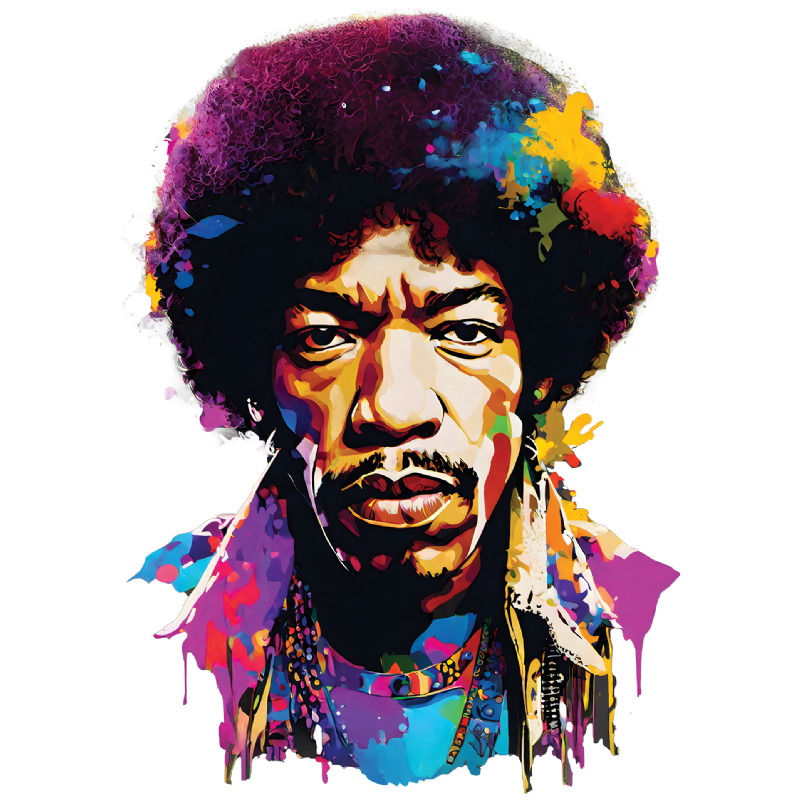
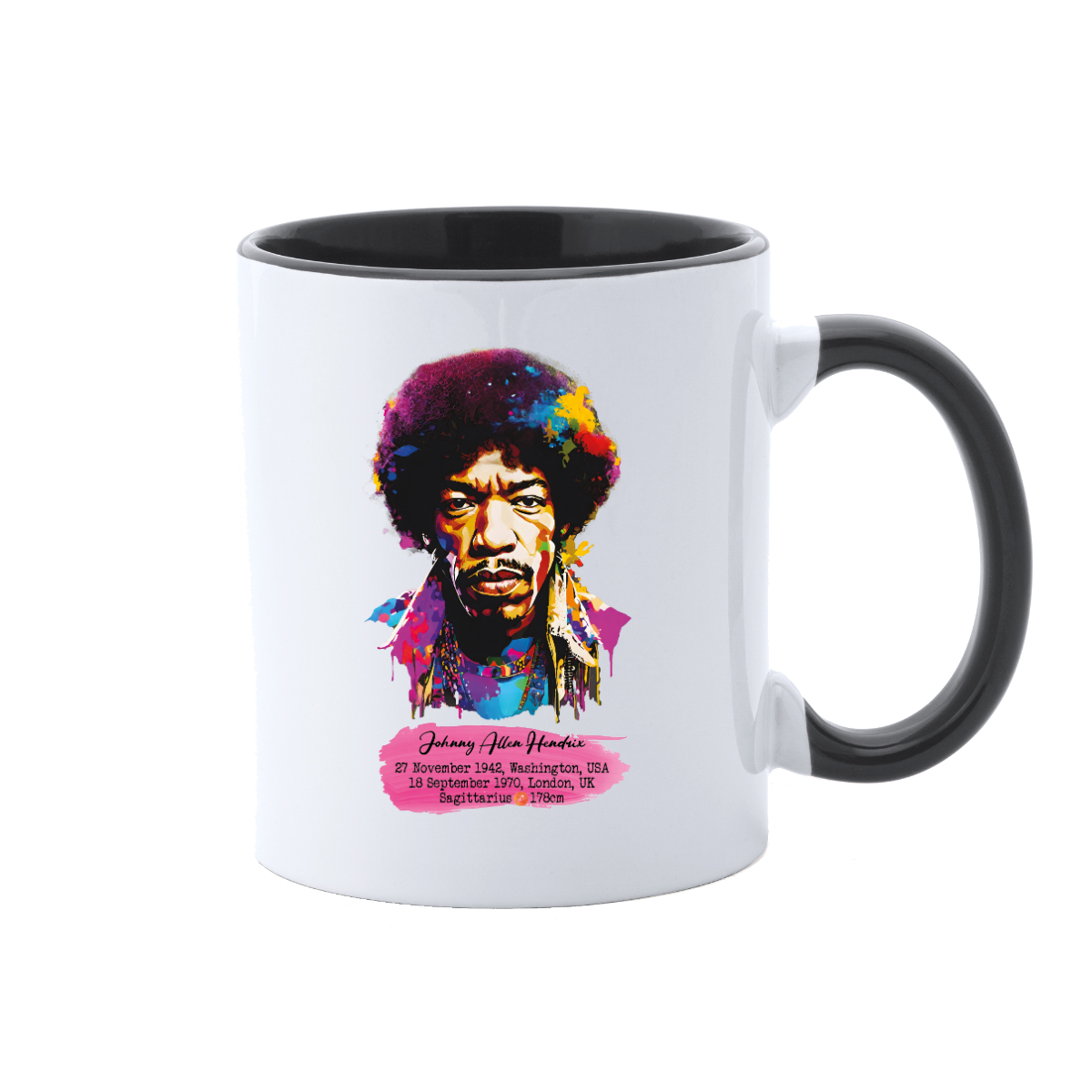
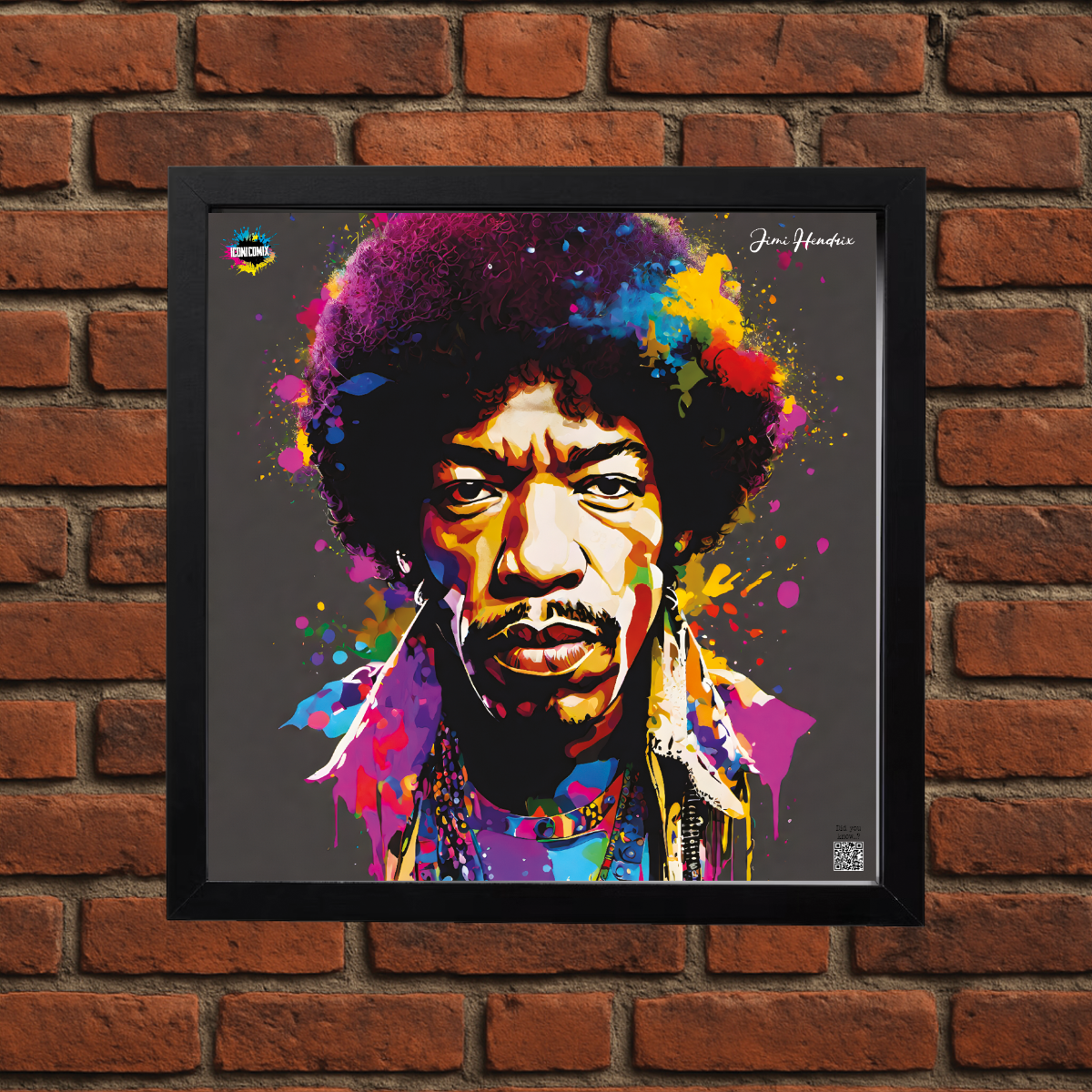
James Marshall Hendrix, better known as Jimi Hendrix, was born in Seattle in 1942 and changed the language of electric guitar forever. Self-taught, he showed extraordinary talent from an early age: he couldn't read music, but he knew how to draw on his instinct and listening skills to produce sounds never heard before. After playing backup guitar for names such as Little Richard and Tina Turner, he exploded onto the scene in London in 1966 with his band, The Jimi Hendrix Experience. In just a few months, he set the stage on fire, revolutionizing the rock scene with his technique, improvisation, and magnetic stage presence.
His sound was a storm of distortion, wah-wah, and feedback, capable of transforming the guitar into a living entity. Songs such as Purple Haze, Hey Joe, and Voodoo Child became anthems of a rebellious generation. His performance at Woodstock in 1969 remains legendary, when he reinterpreted the American anthem as a cry of pain and protest against the Vietnam War.
Behind his wild energy, however, lay a fragile man in search of inner peace and recognition. In just four years as a leading figure, he created a legacy that still influences guitarists of all genres today.
His premature death in 1970, at the age of only 27, made him a legend. Hendrix was not just a musician: he was a visionary, a bridge between blues, rock, and psychedelia, capable of showing the world that the guitar was not just an instrument, but a universe.
During a concert in London in 1967, Hendrix decided to open for The Monkees, a pop band beloved by young people. The audience, however, was not ready for his psychedelic and aggressive sound: Monkees fans, mostly teenagers, greeted him with boos and incomprehension. After a few dates, Hendrix left the tour, aware that his music could not adapt to every stage.
ICONICOMIX celebrates him
because Hendrix reinvented the electric guitar like no one before him. He was not only a virtuoso: he was an innovator who opened up new dimensions of sound, transforming rock into a spiritual and emotional experience.
He is the symbol of creative freedom and the revolutionary power of music.